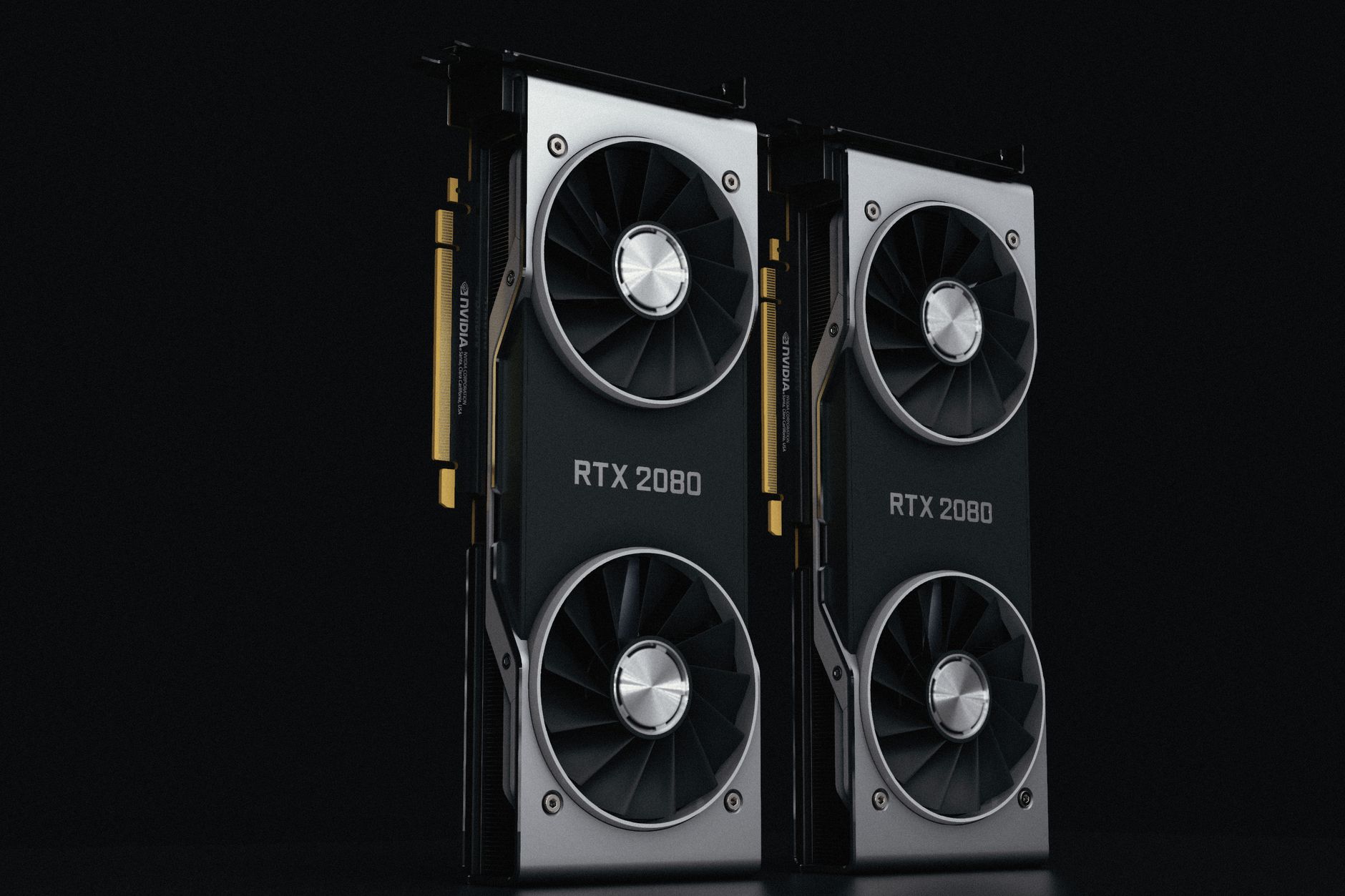
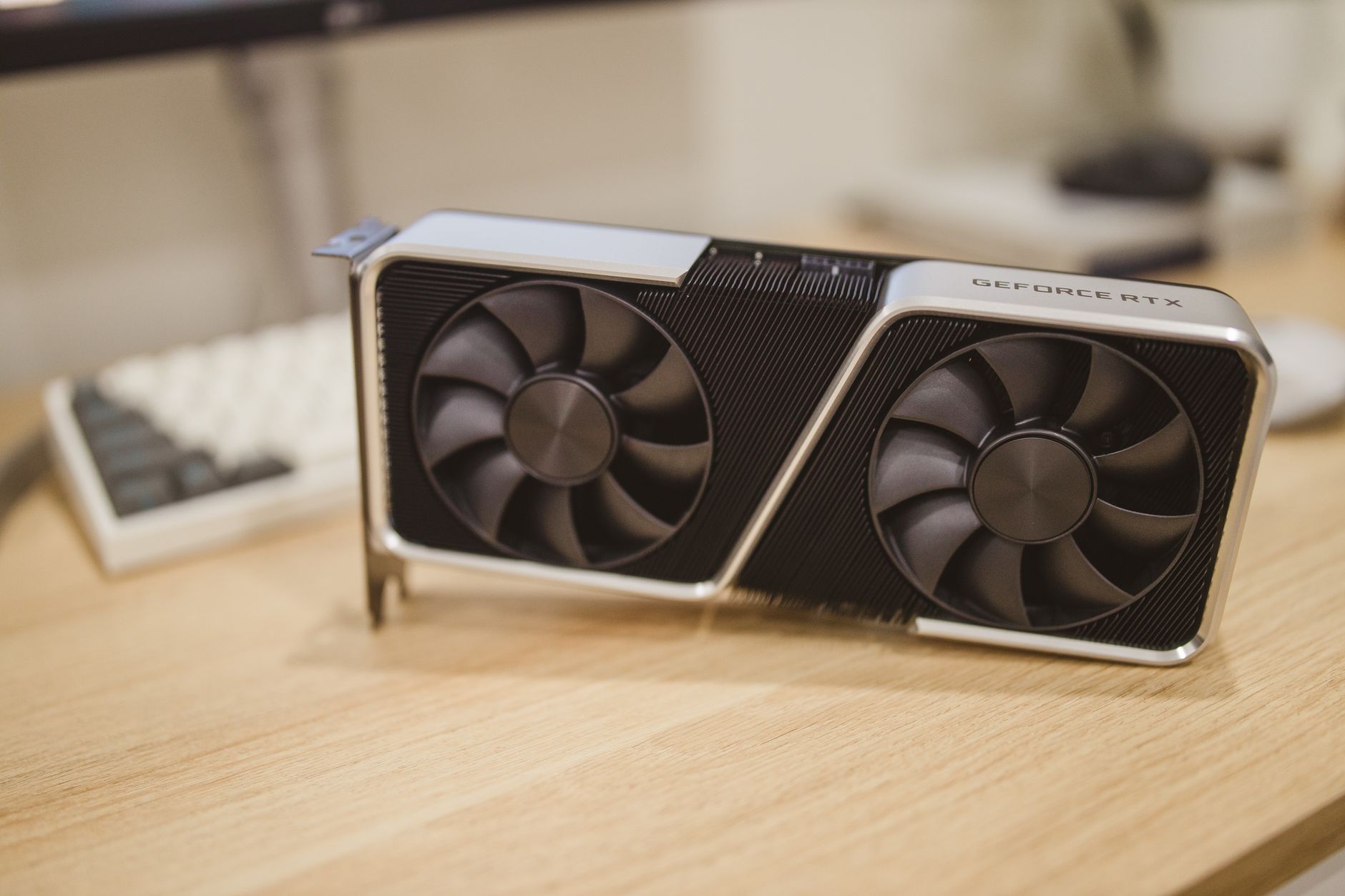

Understanding the NVIDIA RTX Ecosystem
Navigating the modern GPU landscape requires understanding how NVIDIA's architecture tiers and software features impact your daily performance. The absolute best performing gaming graphics card currently available is the NVIDIA GeForce RTX 5090, built on the advanced Blackwell architecture. Whether you are upgrading from an older generation or building your first system, choosing the right card depends entirely on your resolution target, budget, and workflow demands.
Breaking Down the RTX Lineup: From Budget to Flagship
Modern RTX graphics cards span several distinct performance brackets, each tailored to specific gaming resolutions and productivity tasks. Moving away from legacy series like the GTX 10-series unlocks modern rendering pipelines that radically improve visual fidelity and framerates.
Budget and Entry-Level Options
For players focused on competitive esports titles and standard 1080p gaming, entry-level hardware provides an accessible entry point. The RTX 5050 serves as the go-to pick for budget-conscious builders who need a reliable entry point without overspending. For users wanting a modest step up in baseline performance, the RTX 5060 handles popular titles like Fortnite, Counter-Strike 2, Marvel Rivals, and Apex Legends with ease, avoiding heavy demands on massive VRAM pools.
Looking further back, legacy entry-level cards like the RTX 3050 pack 2,560 CUDA cores, 20 second-generation RT cores, 80 third-generation Tensor cores, and 8GB of memory, delivering a solid 1080p experience when paired with DLSS.
Mid-Range and High-End Performance
Mid-range configurations balance raw rendering power with advanced feature sets. Cards such as the RTX 5070Ti stand out as prominent mid-range champions, offering robust ray tracing performance and compatibility with modern AI-driven visual tools. When pushing higher output resolutions in demanding AAA software, the universal availability of DLSS 4.5 upscaling allows systems to achieve near-native image quality from lower input resolutions.
The Enthusiast Tier
At the absolute top of the stack sits the GeForce RTX 5090. Engineered for enthusiasts who want to turn on every graphical bell and whistle at 4K and beyond, its heavy shader and Tensor Core horsepower paired with DLSS 4 and multi-frame generation creates an unmatched visual experience on high-refresh-rate displays.
Advanced Features: DLSS, Ray Tracing, and MFG
Hardware raw compute tells only part of the story; NVIDIA's proprietary software suite drastically changes how games look and feel compared to older GTX architectures.
- Multi-Frame Generation (MFG): Exclusive to RTX 50-series GPUs, MFG allows the Blackwell architecture to insert anywhere from one to five AI-generated intermediate frames between each native frame, producing a 2x, 3x, 4x, 5x, or 6x frame rate boost. Older RTX 40-series hardware supports frame generation up to a 2x boost.
- AI Upscaling: Technologies like DLSS 4 and DLSS 4.5 transformer AI upscaling maintain crisp visual fidelity while easing the computational load on the GPU core.
- Professional Utility: Beyond gaming, GeForce RTX cards support RTX Studio drivers, which optimize performance and stability across creative applications for 3D animation, video editing, and rendering workflows.
Graphics Card Tier Comparison
| Performance Tier | Recommended GPU | Target Resolution | Key Feature Highlights |
|---|---|---|---|
| Budget | RTX 5050 / RTX 3050 | 1080p Gaming | Affordable entry, 8GB memory configurations, basic DLSS support. |
| Mainstream | RTX 5060 | 1080p / Light 1440p | DLSS 4.5 upscaling flexibility, high frame rates in esports titles. |
| Mid-Range | RTX 5070Ti | 1440p / Entry 4K | Enhanced ray tracing performance, advanced transformer AI features. |
| Enthusiast | RTX 5090 | 4K and Beyond | Blackwell architecture, multi-frame generation (up to 6x), maximum shader horsepower. |
When finalizing your hardware choice, always evaluate your monitor's native resolution and your primary software applications. Matching the appropriate RTX tier to your specific workload guarantees maximum longevity and visual performance.
Frequently Asked Questions
What is the main difference between older GTX cards and modern RTX GPUs?
Modern RTX GPUs feature dedicated hardware for real-time ray tracing, Tensor cores for AI-driven upscaling like DLSS, and advanced frame generation technologies that older GTX series cards completely lack.
How does multi-frame generation work on RTX 50-series GPUs?
RTX 50-series graphics cards utilize Blackwell architecture to support multi-frame generation (MFG), allowing the GPU to insert between one and five AI-generated intermediate frames between native frames for massive frame rate boosts.
What role do NVIDIA RTX Studio drivers play in content creation?
RTX Studio is a specialized driver package designed to enhance the performance and stability of GeForce RTX cards in demanding content creation applications such as video editing, rendering, and 3D animation.
References & Sources
- NVIDIA Buyers Guide - Graphics Cards Comparison | SCAN UK
- User Guides for NVIDIA graphics cards | NVIDIA
- The ULTIMATE Graphics Card Buyers Guide 2025! 🙌 Best GPUs!
- Best Graphics Cards for Gaming in 2026 | Tom's Hardware
- Best graphics cards in 2026: These are the GPUs worth spending money in right now | PC Gamer
Editorial Note: This article was researched via verified live web sources and published on 2026-10-29. Questions or feedback? Contact the editorial staff at TrendsInNews.
Photo credit: Trần Chính / Pexels