
Entering the world of robotics requires a structured approach that bridges theoretical knowledge with hands-on hardware implementation. To start in robotics, determine if the field aligns with your professional goals before pursuing structured technical training and progressively building your programming and hardware skills.
Step 1: Assess Goals and Complete Formal Training
Before jumping into hardware and code, it is important to see whether a career or hobby in this industry aligns with your personal goals. Common traits of robotics and automation technicians include strong problem-solving abilities, manual dexterity, and analytical thinking.
If robotics is the right move, the next step is to attend a trade school or technical program to gain deeper knowledge in programming, hardware troubleshooting, and equipment use. Electro-mechanical and mechatronics technologists and technicians typically need an associate degree or a postsecondary certificate. Core subjects you will encounter during formal training include:
- Manufacturing Systems and Technology
- Practical Math and Applied Physics
- Metrology and Digital Electronics & Circuits
- DC and AC Electrical Theory
- Hydraulics, Pneumatics, and Mechanical Systems & Maintenance
- Computer-Aided Design (CAD) and Industrial Networking
- Foundation and Advanced Programming
- Instrumentation, Control, and Programmable Logic Controllers (PLCs)
- Industrial Robotics and SCADA systems
Step 2: Master Electronics and Modular Hardware
Hands-on implementation relies on understanding basic electronics and hardware components. Unlike software running on a computer screen, robotics code directly interacts with the physical world. A robot controller executes commands step-by-step; if your code instructs it to wait for a sensor input that never comes, the hardware will wait forever.
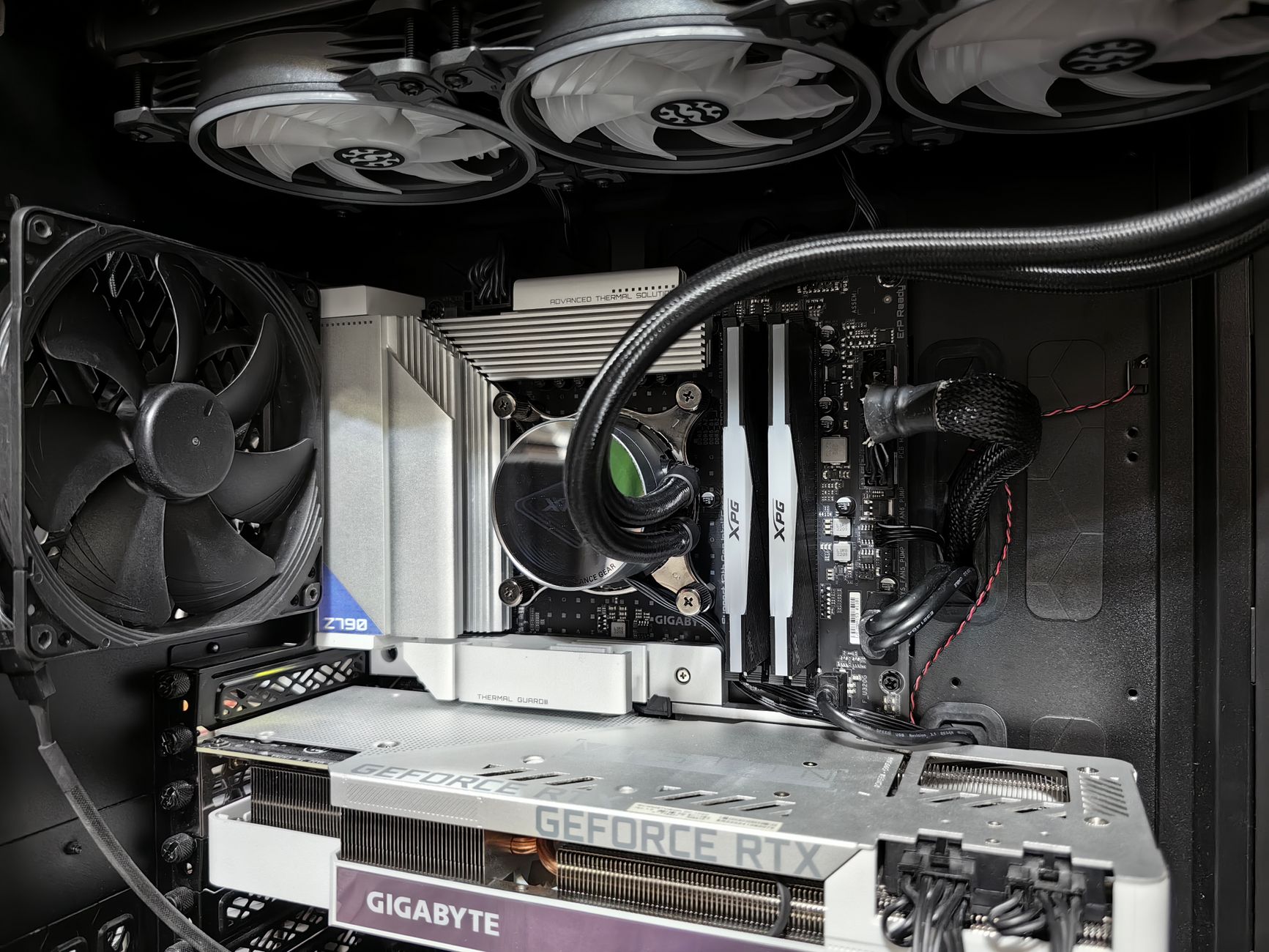
Your journey should begin with understanding core hardware elements:
- Actuators: Learn how actuators work, including DC motors and Servo motors, which drive physical movement.
- Microcontrollers: Utilize flexible prototyping platforms, such as Arduino-compatible boards, to handle basic General Purpose Input/Output (GPIO).
- Feedback Systems: Explore how feedback components like encoders and gyroscopes monitor position and orientation to ensure precise motion control.
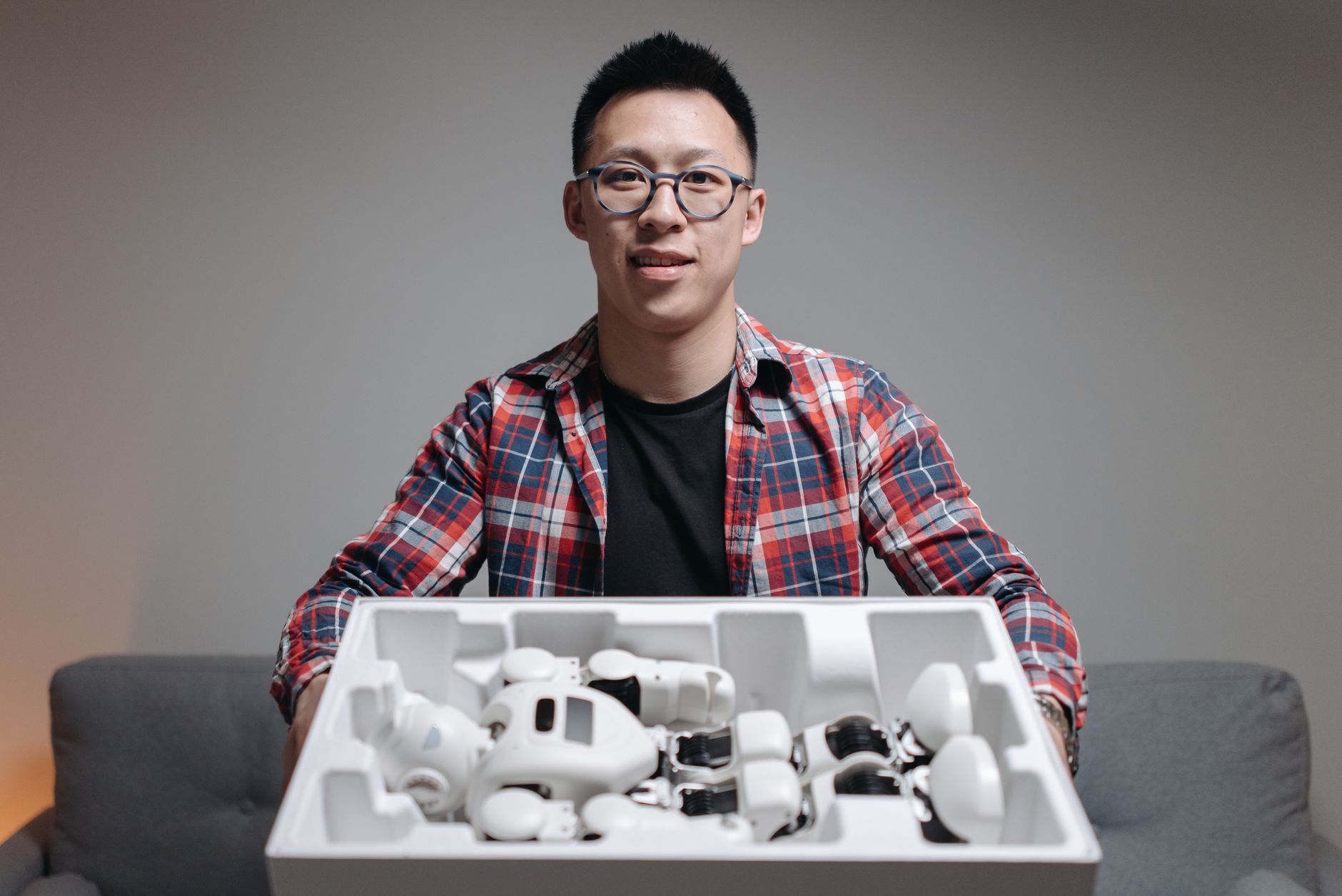
Using modular robotics platforms lets you start with a simple setup and add complexity as your skills grow, ensuring you learn steadily without feeling overwhelmed.
Step 3: Progress Through Programming and Algorithms
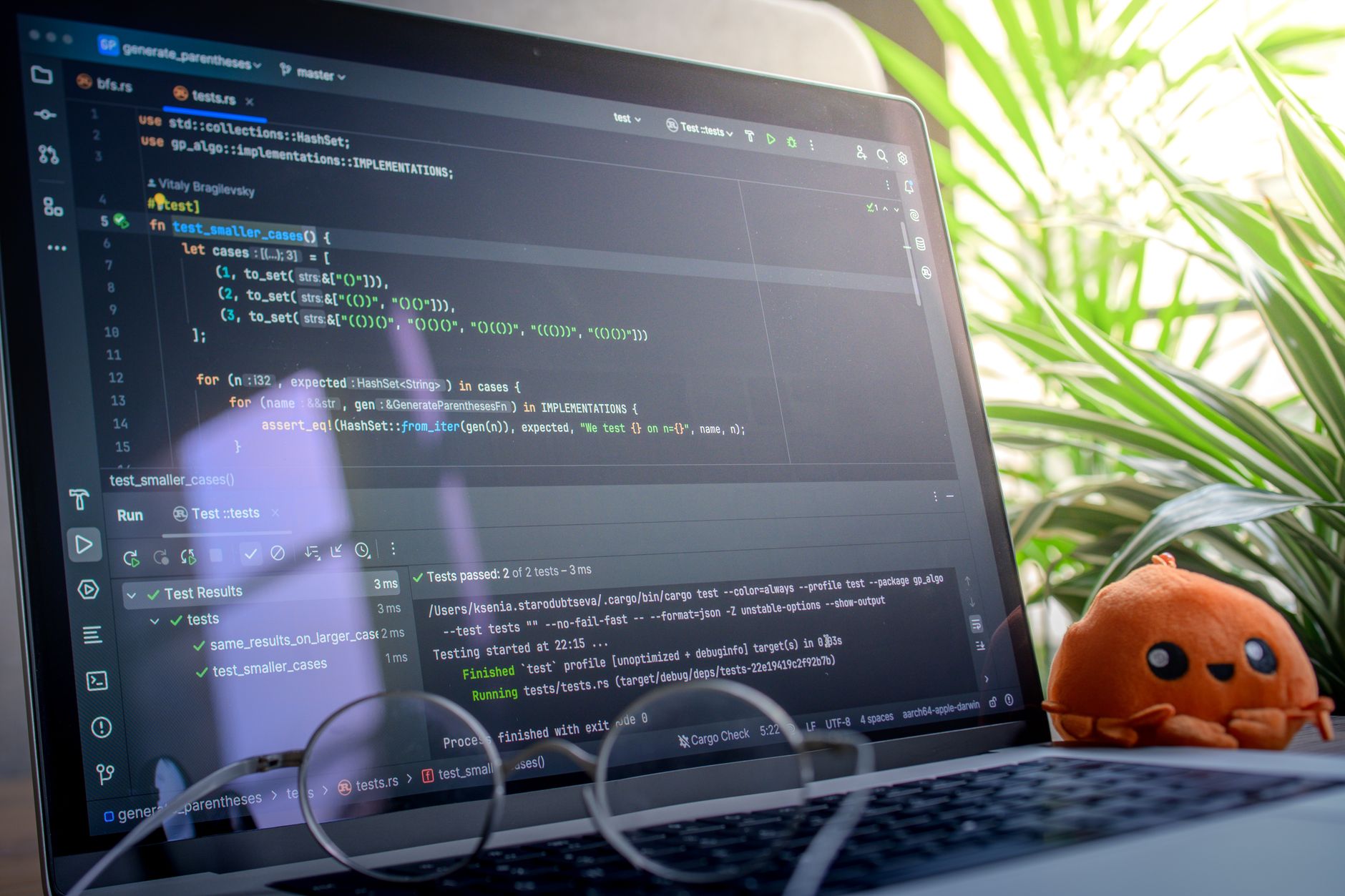
Robotics programming ranges from straightforward scripting to complex decision-making systems. Beginners should focus on incremental milestones before tackling autonomous behavior.
| Programming Stage | Primary Objective | Example Application |
|---|---|---|
| Basic GPIO | Controlling simple digital outputs and inputs | Making an LED light up or turning a single motor |
| Sensor Integration | Reading values and reacting to physical data | Adjusting motor speed based on sensor input values |
| Advanced Control | Utilizing decision trees, algorithms, and feedback | Using teach pendants for industrial arms or obstacle avoidance in vacuums |
As you advance, you will encounter diverse decision-making architectures. Simple rule-based systems govern basic automated appliances, while complex machine learning models—such as neural networks—enable robots to recognize objects, process patterns, and navigate dynamically based on live sensor streams.
Frequently Asked Questions
What education is typically required to work as a robotics technician?
Electro-mechanical and mechatronics technologists and technicians typically need either an associate degree or a postsecondary certificate obtained through a trade school or technical program.
How should a beginner start programming robots?
Beginners should start with simple tasks such as making an LED light up, getting a single motor to turn, and then learning to read values from a sensor to control actuators.
What is the core difference between web development and robotics programming?
Unlike digital web applications, robotics code directly impacts physical hardware. If code tells a robot to wait for a sensor input that never arrives, the physical system will wait indefinitely.
References & Sources
- How to Learn Robotics: A Beginner’s Guide | UTI
- How to get started with Robotics? [MUST KNOW TIPS] Building Robots for Beginners
- How To Program A Robot? Beginner’s Step-by-Step Guide – Petoi
- Robotics Programming 101: A Beginner's Guide
- Intro to Robotics
Editorial Note: This article was researched via verified live web sources and published on 2026-10-28. Questions or feedback? Contact the editorial staff at TrendsInNews.
Photo credit: Pavel Danilyuk / Pexels