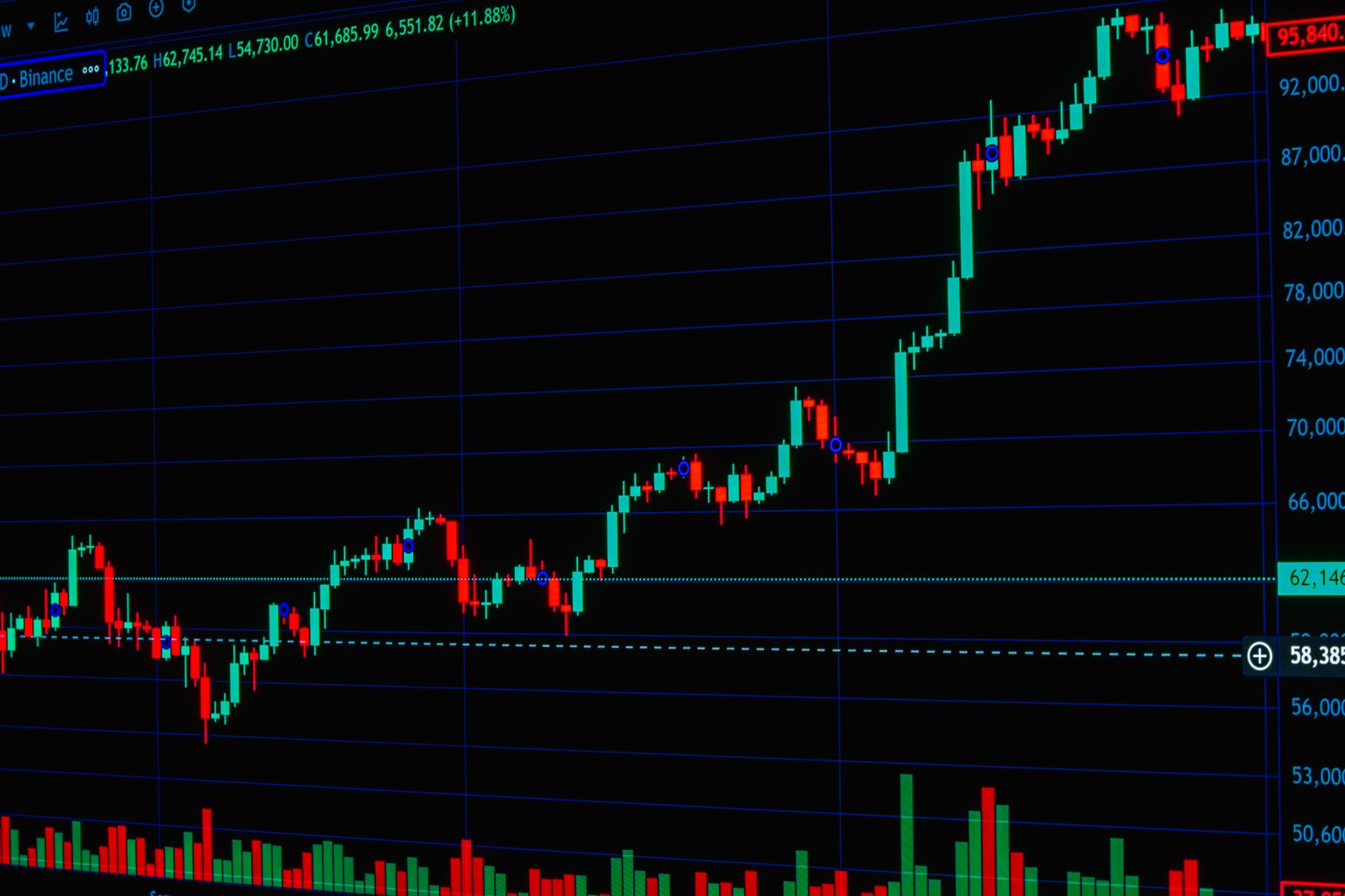


A Bitcoin ETF (exchange-traded fund) is an investment vehicle traded on traditional, regulated securities exchanges that tracks the performance of Bitcoin. It acts as a financial bridge, allowing investors to gain exposure to the digital asset's price movements without directly holding the cryptocurrency.
By packaging digital assets into standard investment securities, these funds simplify access for participants who prefer conventional brokerage accounts. Below, we break down the mechanics, types, and operational benefits of this growing segment in digital finance.
How a Bitcoin ETF Works
A Bitcoin ETF combines two prevalent forms of investment—exchange-traded funds and cryptocurrencies—into a single package. Rather than navigating the direct cryptocurrency market, an investor simply buys shares of the ETF through a standard brokerage account. The fund itself handles the operational tasks of acquiring, holding, and securing the underlying exposure.
Because these instruments operate much like traditional equity or bond ETFs, they integrate seamlessly into existing portfolio management tools. However, a key operational difference is market hours: unlike the 24/7 nature of crypto markets, Bitcoin ETFs can only be traded during traditional market hours for regulated securities exchanges.
Types of Bitcoin ETFs: Spot vs. Futures
Understanding the distinction between available fund structures is essential for portfolio planning. The market generally features two primary structures:
- Spot Bitcoin ETFs: These funds directly buy and hold Bitcoin. Comparable to a physically backed gold ETF, buying shares means you effectively hold a portion of the actual cryptocurrency managed by the fund. The value of a spot Bitcoin ETF is directly tied to the prevailing spot price of Bitcoin.
- Bitcoin Futures ETFs: These funds track Bitcoin performance using futures contracts. Futures are derivative investment securities allowing market participants to speculate on future price movements, meaning the fund invests in contracts and other financial instruments rather than the physical coin.
| Feature | Spot Bitcoin ETF | Bitcoin Futures ETF |
|---|---|---|
| Underlying Asset | Actual, physical Bitcoin held in custody | Bitcoin futures contracts and derivatives |
| Price Correlation | Closely mirrors real-time spot market price | Tracks futures pricing curves and contract rolls |
| Market Access | Standard brokerage account | Standard brokerage account |
Accessibility and Regulatory Oversight
For many traditional investors and institutional participants, direct cryptocurrency exposure introduces technical and compliance hurdles. Bitcoin ETFs address these challenges by offering robust regulatory oversight and security.
Because these funds are traded on regulated exchanges, they are subject to strict financial guidelines and oversight from regulatory bodies, such as the SEC in the United States or ASIC in Australia. This structure removes the friction of creating specialized digital wallets, managing private keys, or dealing with unregulated crypto exchanges, making it significantly easier for institutional players to incorporate digital assets into compliant portfolios.
Frequently Asked Questions
What is the main difference between a spot Bitcoin ETF and a Bitcoin futures ETF?
A spot Bitcoin ETF directly buys, holds, and secures actual Bitcoin to track the real-time spot market price. Conversely, a Bitcoin futures ETF invests in derivative investment securities that allow investors to speculate on future asset prices rather than holding the underlying cryptocurrency.
Do I need a crypto wallet to invest in a Bitcoin ETF?
No, you do not need to sign up for a cryptocurrency exchange or set up a digital crypto wallet. Bitcoin ETFs trade on traditional, regulated securities exchanges and can be purchased directly through standard brokerage accounts.
Are Bitcoin ETFs traded 24/7 like cryptocurrency markets?
No, unlike direct cryptocurrency markets which operate around the clock, Bitcoin ETFs are limited to trading within traditional market hours for regulated securities exchanges.
References & Sources
- What Is a Bitcoin ETF?
- Bitcoin ETF Definition by Tradingkey.com
- Bitcoin ETF Definition by Tradingkey.com
- Bitcoin ETFs: What are they and how do they work? | Betashares
- Ethereum ETF Definition
Editorial Note: This article was researched via verified live web sources and published on 2026-10-23. Questions or feedback? Contact the editorial staff at TrendsInNews.
Photo credit: Rafael Minguet Delgado / Pexels