
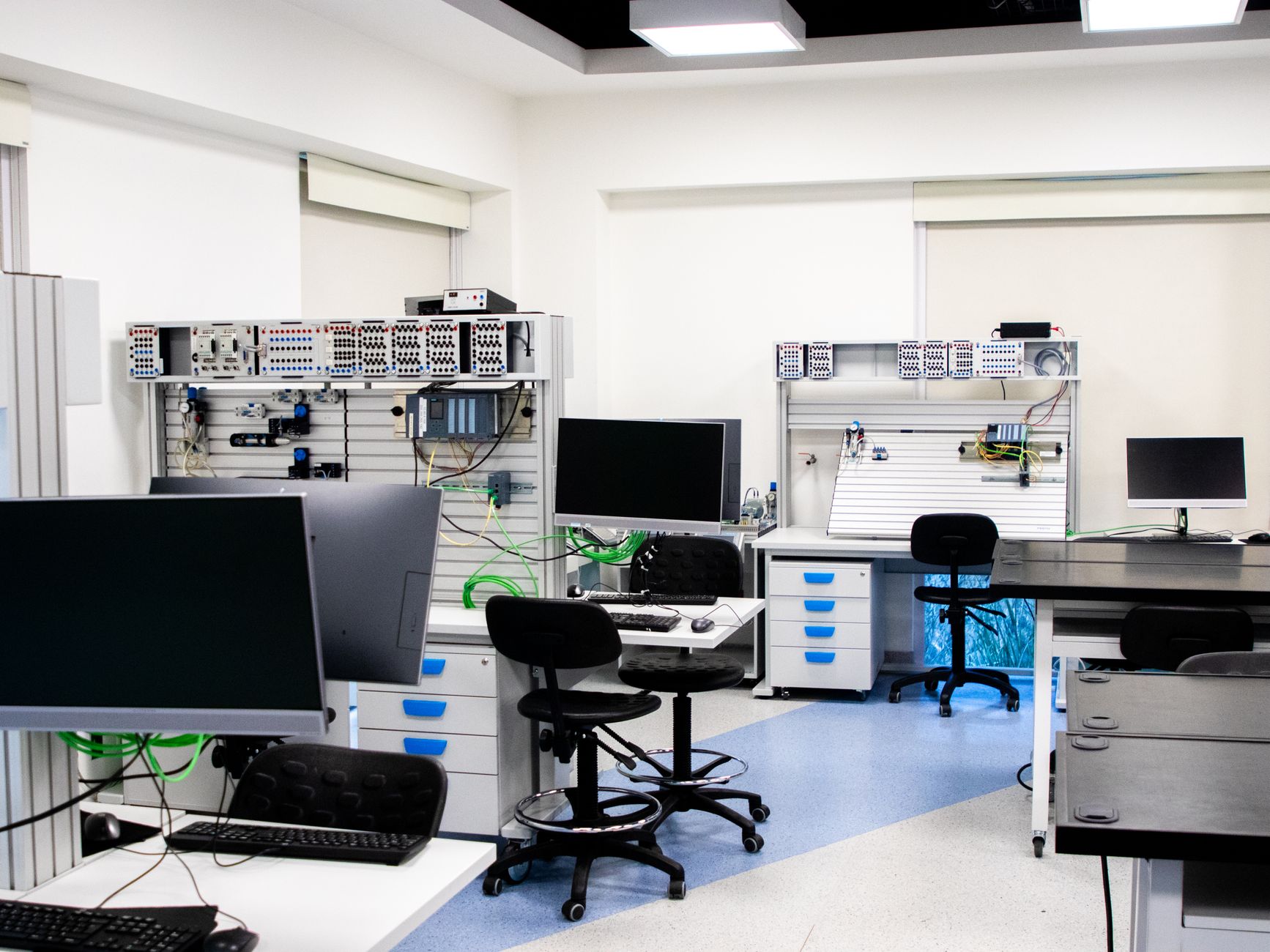

Quantum computing is an emergent field of computer science and engineering that leverages the unique qualities of quantum mechanics to solve problems beyond the capability of even the most powerful classical computers. By harnessing phenomena such as superposition and entanglement, this technology processes information in a fundamentally different way than standard laptops, smartphones, or supercomputers.
Defining Quantum Mechanics and Computing Fundamentals
To understand the quantum computing definition, one must examine how it diverges from traditional digital computing. Classical computers rely on bits that represent either a 0 or a 1. In contrast, quantum computers utilize quantum mechanics, which describes how objects behave at a microscopic level. Because these foundational laws govern the universe, every physical system operates under quantum rules at its core.
The field itself is multidisciplinary, bringing together research in quantum hardware, application development, and theoretical computer science. A primary architecture within this field is the gate-based quantum computer. This device takes input data and transforms it using predefined unitary operations represented by quantum circuits, functioning analogously to—yet operating entirely differently from—traditional electronic gates.
Core Principles: Superposition and Entanglement
The processing power of quantum systems stems directly from specialized physical properties:
- Superposition: Allows quantum systems to exist in multiple states simultaneously, enabling the evaluation of vast combinations of data at once.
- Quantum Entanglement: Links particles in such a way that the state of one instantly dictates the state of another, no matter the distance between them, facilitating advanced non-local computation and data correlation.
- Quantum Interference: Helps amplify correct computational paths while canceling out incorrect ones during complex operations.
These effects allow quantum systems to handle information handling differently than classical devices, which must evaluate possibilities sequentially or through brute-force parallel processing.
Industry Applications and Future Outlook
Quantum technology is poised to transform numerous industries by tackling problems that classical supercomputers cannot solve efficiently. Key areas experiencing active research and development include:
| Industry | Potential Quantum Application |
|---|---|
| Healthcare & Chemistry | Molecular simulation, accelerated drug discovery, and biochemical research. |
| Finance | Market movement prediction, risk analysis, and advanced portfolio optimization. |
| Cybersecurity | Robust data encryption protection during active use and secure communication methods. |
| Aerospace & Manufacturing | Complex industrial design, logistics optimization, and enhanced artificial intelligence integration. |
Major global entities, such as Airbus, have already established dedicated quantum computing units and invested heavily in software startups and hardware manufacturers. Furthermore, cloud-based quantum services are expected to enhance artificial intelligence and machine learning by processing massive datasets at unprecedented speeds. As hardware metrics like quantum volume improve, industry roadmaps point toward a transformative shift in how science and enterprise solve intractable computational challenges.
Frequently Asked Questions
What is quantum computing in simple terms?
Quantum computing is an advanced branch of computer science and physics that uses the principles of quantum mechanics to process data in fundamentally new ways. Instead of relying on traditional binary bits, it uses quantum mechanical phenomena to solve complex problems beyond the reach of classical supercomputers.
When will quantum computers become practical for industries?
Industry leaders like IBM expect to realize the first practical quantum advantages by late 2026. This milestone depends on continued collaboration between the quantum and high-performance computing communities.
What core phenomena power quantum computers?
Quantum computers rely primarily on superposition and entanglement. These quantum mechanical properties allow them to handle information and execute complex calculations at speeds unattainable by classical computers.
References & Sources
- What Is Quantum Computing? | IBM
- What is Quantum Computing? - Quantum Computing Explained - AWS
- What Is Quantum Computing? Definition, Industry Trends & Benefits Explained
- Quantum Computers Explained: How Quantum Computing Works
- Quantum computing - Wikipedia
Editorial Note: This article was researched via verified live web sources and published on 2026-10-14. Questions or feedback? Contact the editorial staff at TrendsInNews.
Photo credit: Ludovic Delot / Pexels