
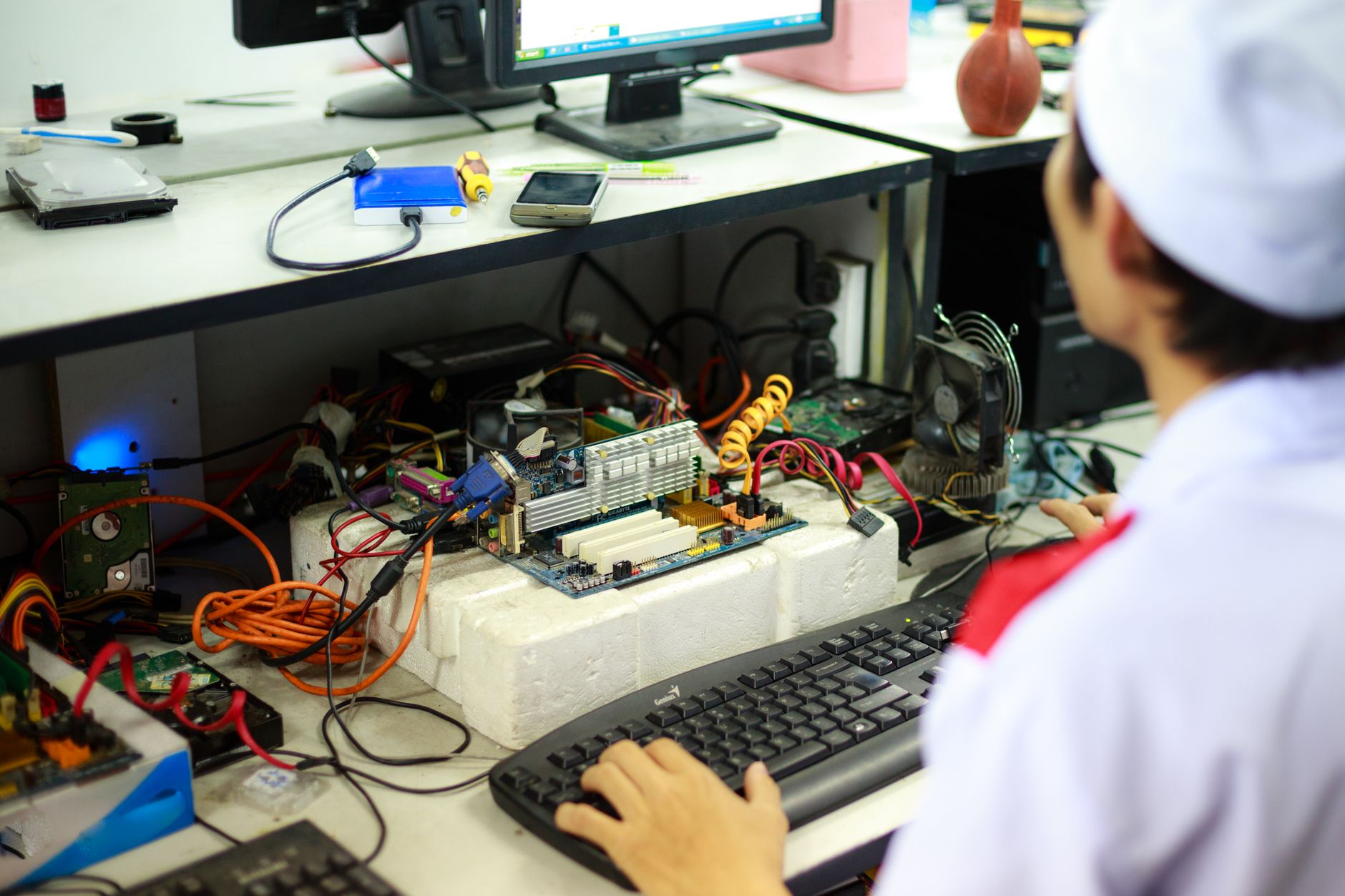

The tech industry encompasses a broad spectrum of sectors including information technology services, software, hardware, and semiconductors. The IT industry, specifically, drives advancements in technology and focuses heavily on the delivery of computing services over the internet, such as data processing, storage, and software management.
Defining the Tech Industry and the IT Sector
When evaluating career paths or market trends, professionals often conflate the technology industry with the information technology (IT) industry. However, looking closely at how the market is organized reveals distinct boundaries. The technology industry sector is a massive global ecosystem. According to industry classifications, it includes four major pillars:
- Information technology services
- Software development and SaaS platforms
- Hardware manufacturing
- Semiconductors and semiconductor equipment
Within this massive umbrella, the IT industry serves as a critical engine. It centers on the delivery of computing services over the internet. This includes managing data processing, cloud storage, processing power, and specialized enterprise software. Professionals in this space frequently leverage major cloud platforms such as Amazon Web Services (AWS), Microsoft Azure, and Google Cloud to build, secure, and maintain enterprise infrastructures.
High Tech vs. Tech-Enabled Operating Models
Another layer to consider when analyzing the technology space is how individual businesses operate. Not every enterprise in the tech ecosystem functions the same way. Market structures separate these organizations into two primary operational categories:
- High Tech Companies: These organizations literally would not exist without their underlying proprietary technology. They are tasked with inventing something net-new. They generally experience higher technical risk, take longer to bring products to market, and allocate a greater share of resources toward Research and Development (R&D).
- Tech-Enabled Companies: These firms use existing technology to improve an existing market or enhance their core service offerings. Their operational focus leans more heavily toward Sales and Marketing rather than foundational engineering invention.
Understanding this distinction helps clarify why certain technology segments experience rapid consumer-facing deployment, while others require years of deep hardware and semiconductor engineering before hitting commercial viability.
| Industry Dimension | The Tech Industry (Broad Ecosystem) | The IT Industry (Specialized Sector) |
|---|---|---|
| Core Focus | Encompasses hardware, software, semiconductors, and IT services globally. | Focuses on computing services, data processing, storage, and infrastructure. |
| Key Infrastructure | Silicon chips, physical devices, telecommunications networks, and code frameworks. | Cloud platforms (AWS, Azure, Google Cloud), XaaS models, and enterprise software. |
| Common Roles | Semiconductor engineers, hardware technicians, computer programmers. | IT service technicians, cybersecurity specialists, IT project managers. |
Career Opportunities and Work Environment
Both the broader tech industry and the specialized IT sector offer robust avenues for professional growth. Driven by continuous digital transformation and the demand for new tech solutions, job growth in these fields outpaces many traditional sectors. For instance, the Bureau of Labor Statistics (BLS) projects strong expansion for computer systems design and related services.
Career paths within these domains span multiple disciplines:
- IT and Infrastructure: Roles like IT service technicians, cybersecurity specialists, and IT project managers keep organizational networks secure and operational.
- Software and Cloud: Computer programmers, software engineers, and cloud engineers build scalable digital applications.
- Hardware and Semiconductors: Hardware technicians, computer hardware engineers, and semiconductor engineers design the physical computing components that power modern devices.
Furthermore, the technology industry is at the forefront of remote work and flexible schedules, offering professionals significant work-life balance. Many roles—ranging from software development to IT support and data analysis—can be performed from anywhere with an internet connection. At the same time, because the landscape moves quickly, professionals often operate in deadline-driven environments that require constant adaptation to new frameworks and technologies.
Frequently Asked Questions
What is the main difference between the tech industry and the IT industry?
The tech industry is a broad umbrella that encompasses hardware, software, semiconductors, and IT services. In contrast, the IT industry specifically focuses on the delivery of computing services over the internet, including data processing, storage, and software implementation.
Are all technology companies considered "high tech"?
No, technology companies are generally divided into high tech and tech-enabled categories. High tech companies invent entirely new technologies, whereas tech-enabled companies use existing technology to improve their core offerings and existing markets.
What are some major career paths available in the information technology sector?
Careers within IT services include roles such as IT service technicians, cybersecurity specialists, IT project managers, and cloud engineers. These professionals often work with major cloud platforms like Amazon Web Services, Microsoft Azure, and Google Cloud.
References & Sources
- The IT Industry: How Today’s Technology Can Shape Our Future | American Public University (APU)
- Is Technology a Good Career Path? Pros, Cons, and Whether It's Right for You | The Muse | The Muse
- https://codingheros.com/technobabble/tech-industry-analysis/
- Technology Industry Sector Guide (With Jobs and Salaries) | Indeed.com
- High Tech vs Tech Enabled: The Difference
Editorial Note: This article was researched via verified live web sources and published on 2026-11-03. Questions or feedback? Contact the editorial staff at TrendsInNews.
Photo credit: Quang Nguyen Vinh / Pexels