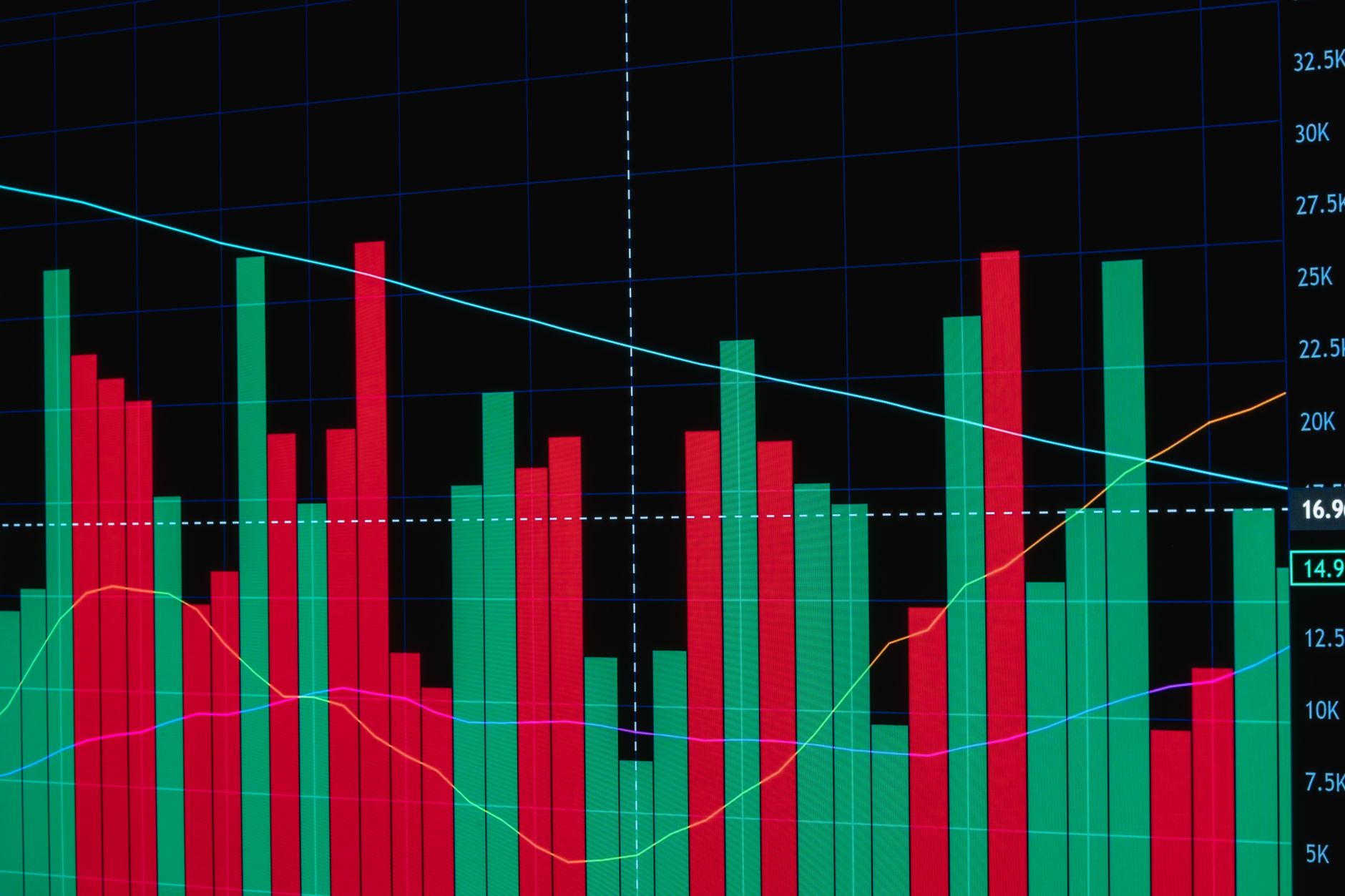


A social media algorithm tracker is an essential system or tool used to monitor unannounced updates, ranking modifications, and distribution shifts across major digital networks. By keeping a close eye on these shifts, content creators and brands can stay ahead of sudden dips in organic reach.
How Social Media Algorithm Trackers Work
Social media algorithms dictate what gets shown, to whom, and in what format. Tracking these systems involves two distinct methodologies: monitoring official and reported platform updates, and analyzing underlying performance metrics. Dedicated logging resources note that platforms frequently run small ranking tests that go unannounced, making data-driven performance tracking critical.
To capture accurate insights, enterprise marketing teams and independent creators must look beyond individual post metrics. Tracking changes over weeks and months surfaces algorithm shifts early, allowing teams to explain performance changes with confidence rather than scrambling after a sudden drop in reach.
When monitoring algorithm performance, modern systems evaluate several critical backend signals:
- Dwell Time relevance: The algorithm tracks the exact number of seconds a user spends actively reading text or swiping through a carousel.
- Engagement probability: Machine learning models predict post engagement, with the first hour of publication carrying the most weight.
- Personal connections: The system prioritizes posts from first-degree connections and accounts with which the user frequently interacts.
Core Metrics to Monitor on Your Tracker Dashboard
It is easy to get overwhelmed by endless streams of data. The most effective strategy is to start with a specific social media goal and match it to the appropriate metric. According to platform insights from industry leaders like Hootsuite and Sprout Social, tracking five key analytics metrics per platform provides a comprehensive view of algorithm health.
| Metric | What It Measures | Algorithm Significance |
|---|---|---|
| Reach | Unique accounts seeing your content, split by followers and non-followers. | Indicates whether the algorithm is pushing your content onto discovery feeds. |
| Engagement Rate | Interactions (likes, comments, replies) relative to total views. | Signals content resonance and drives initial distribution boosts. |
| Watch Time | Total duration users spend consuming video or carousel formats. | Measures sustained attention and content depth. |
| Share/Save Rate | Frequency with which users bookmark or forward content. | Acts as a heavy distribution signal for recommendation engines. |
| Follower Growth | Net change in audience size over a specific period. | Reflects long-term profile relevance and conversion success. |
Tools and Best Practices for Algorithm Analysis
Managing analytics across multiple channels requires centralized reporting solutions. Platforms such as Social Status allow brands to track owned profiles across Facebook, Instagram, YouTube, TikTok, X (Twitter), and LinkedIn within a single dashboard. Meanwhile, tools like Buffer enable post tagging, allowing teams to monitor how specific content pillars perform collectively.
To successfully integrate an algorithm-tracking workflow into your content planning, follow these steps:
- Establish a review cadence: Check your analytics at least once a week to spot emerging patterns, active audience windows, and sudden format collapses.
- Conduct monthly reviews: Evaluate long-term trends to refine your broader social media strategy and content mix.
- Benchmark the competition: Utilize competitor analytics to identify strategies and content formats that other accounts use to successfully build engagement.
By pairing external algorithm trackers with robust internal analytics tools, digital marketers can build around universal ranking signals—such as watch time and relevance—while seamlessly adapting their hooks and formats for each specific platform.
Frequently Asked Questions
What metrics should I track to spot social media algorithm changes?
You should track five primary metrics per platform: reach split by followers and non-followers, engagement rate, watch time, share and save rate, and overall follower growth. Monitoring these metrics helps you identify sudden drops or spikes that signal a shift in how content is distributed.
How often should marketing teams review their algorithm performance data?
Creators and social media managers should check analytics at least once a week to spot emerging patterns and active audience windows. A deeper monthly review is ideal for evaluating long-term trends and adjusting your overall strategy.
What tools are available for monitoring cross-platform social media algorithms?
Specialized tools like the Beevi algorithm tracker monitor documented platform updates across multiple channels. Additionally, comprehensive reporting platforms like Sprout Social, Social Status, and Buffer help analyze reach, engagement, and competitor data across multiple social networks.
References & Sources
- Social Media Algorithm Updates: Live Tracker | Beevi
- Social media algorithms in 2026: How they rank content
- Master Social Media Algorithms: The Ultimate Guide | Sprout Social
- Social media analytics and reporting tools | Social Status
- The 11 Best Social Media Analytics + Reporting Tools in 2026
Editorial Note: This article was researched via verified live web sources and published on 2026-11-29. Questions or feedback? Contact the editorial staff at TrendsInNews.
Photo credit: AS Photography / Pexels