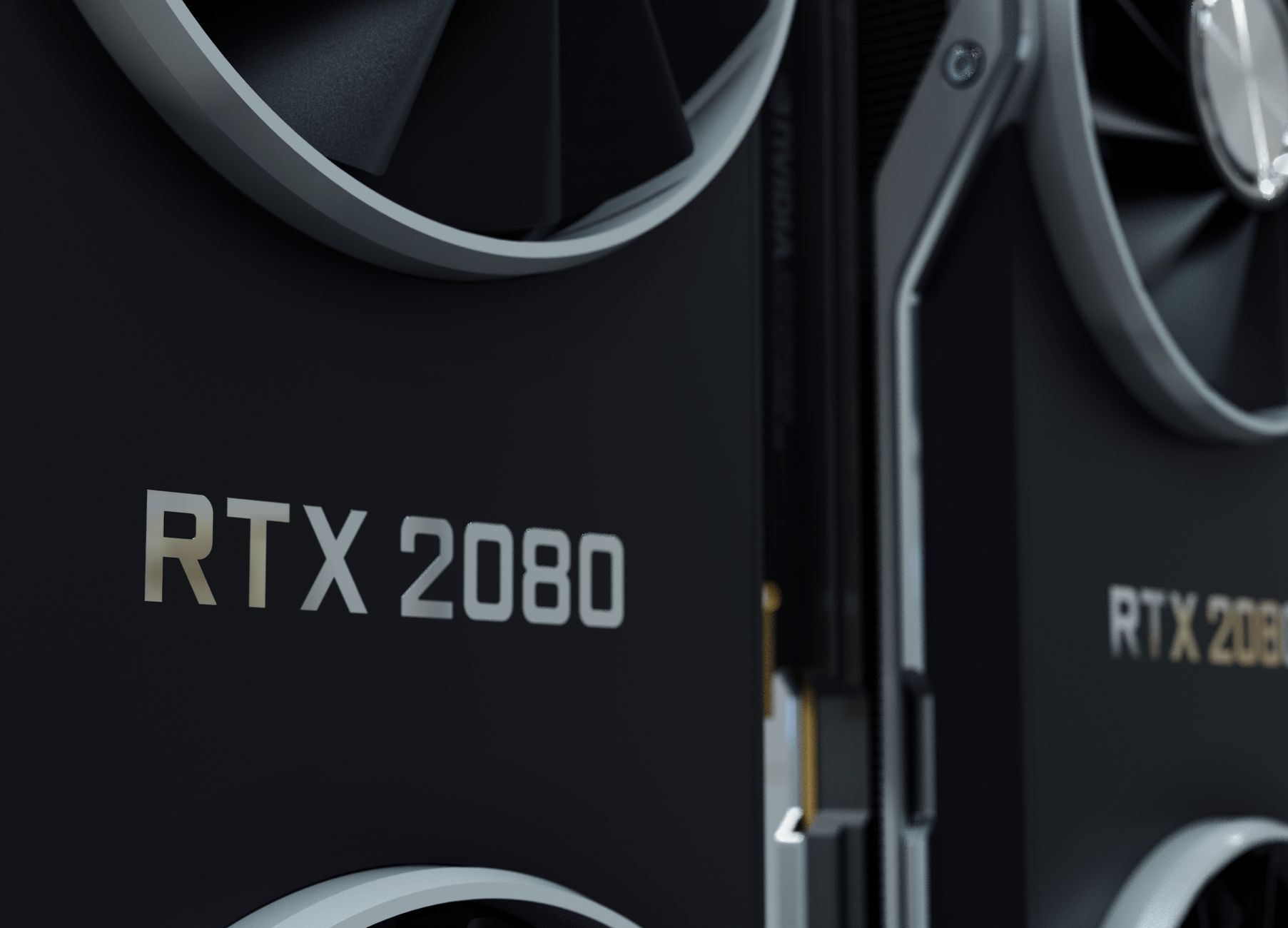
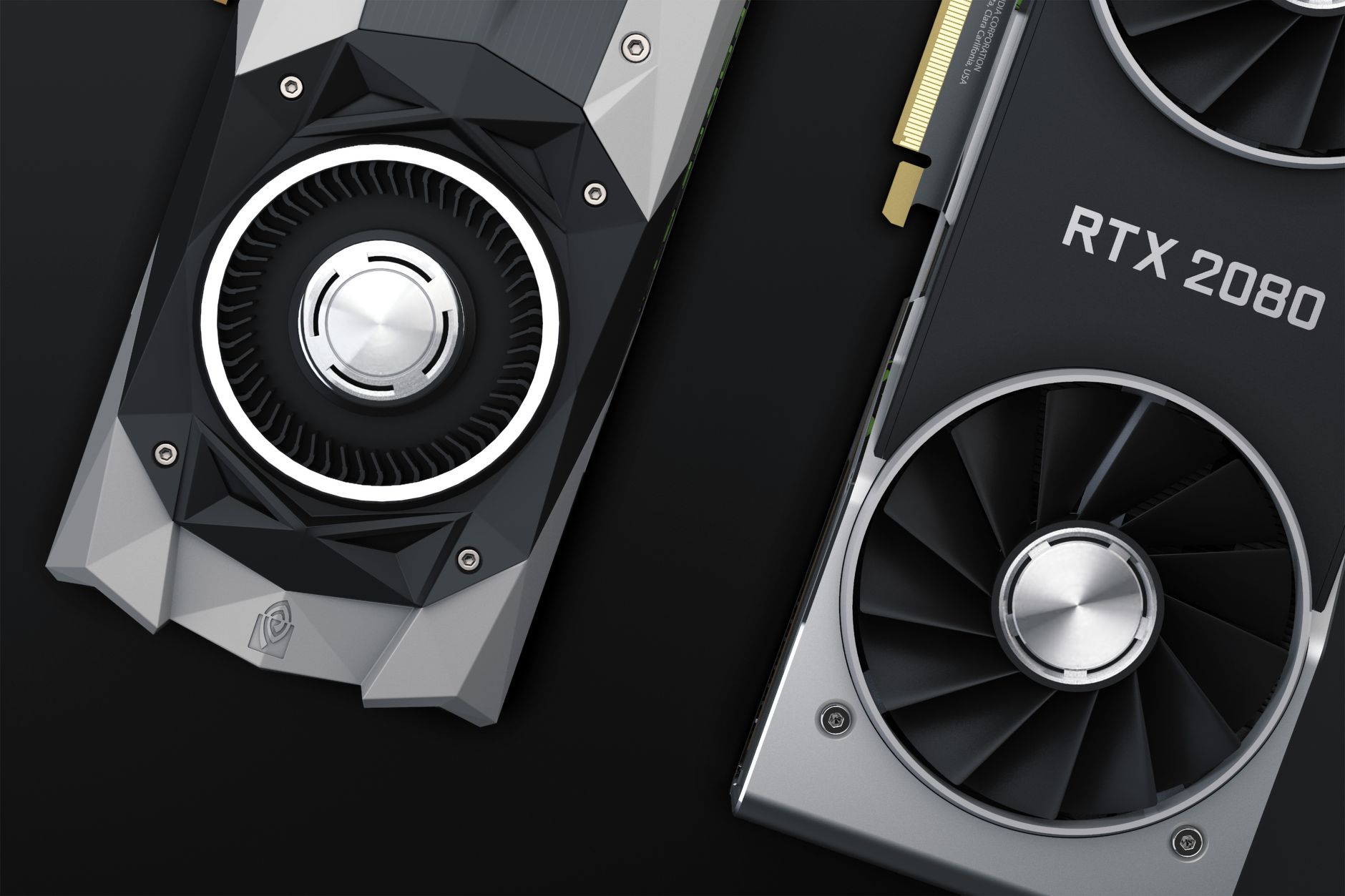

In the world of computer hardware, RTX stands for ray tracing, representing Nvidia's flagship branding for graphics processing units capable of hardware-accelerated real-time lighting simulations. Replacing the older GTX branding starting in 2018 with the RTX 20 series, RTX has become the industry standard for both consumer gaming and professional workstation graphics.
The Evolution from Rasterization to Ray Tracing
For decades, video games relied on traditional rasterization techniques to render 3D environments on screen. Rasterization prioritizes performance over absolute accuracy by converting 3D polygon models into 2D pixels, using direct lighting and precalculated indirect illumination to simulate shadows and highlights.
Historically, true ray tracing was restricted to offline applications, such as CGI visual effects in movies and photorealistic architectural renderings, which often required hours to compute a single frame. The introduction of the RTX platform changed this by bringing hardware-enabled real-time ray tracing to mainstream consumer hardware.
Ray tracing generates an image by tracing virtual rays cast through the pixels of an image plane, simulating their physical encounters with objects in the virtual world. This computing approach produces advanced visual effects that better mimic real-world optical properties, resulting in softer, more realistic shadows, reflections, and ambient occlusion during active gameplay.
Inside the Hardware: RT Cores and Tensor Cores
To achieve real-time performance, Nvidia built specialized silicon directly into the architecture of every RTX graphics card:
- RT Cores: These are dedicated hardware units engineered specifically to calculate how light rays bounce, refract, and interact with surfaces in real time. By offloading these complex geometry and intersection calculations, RT cores prevent the main graphics processor from becoming a massive performance bottleneck.
- Tensor Cores: Originally developed for data center GPUs, tensor cores are specialized AI processing units integrated into consumer RTX cards. They manage the heavy matrix math required for deep learning workloads.
In consumer applications, tensor cores power DLSS (Deep Learning Super Sampling). DLSS uses AI to render a game at a lower native resolution and intelligently upscale it to look like a much higher resolution. The result is a substantial boost in frame rates with minimal visual quality loss, allowing gamers to enjoy high-fidelity ray-traced graphics without sacrificing smooth performance.
Consumer Gaming vs. Professional Workstations
While most consumers recognize the GeForce RTX brand for powering high-end gaming rigs and supporting over 1,000 titles with advanced rendering and AI features, the technology spans a much broader ecosystem.
Nvidia utilizes the RTX architecture for professional applications as well. Professional workstation lines—historically branded under Quadro and later transitioned to the RTX A series and modern workstation configurations—are deployed across heavy-duty industries. These include architecture, product design, energy exploration, scientific visualization, and professional film and video production.
| Feature / Component | Traditional GTX Series | Modern RTX Series |
|---|---|---|
| Primary Focus | Standard rasterization performance | Real-time ray tracing and AI neural rendering |
| Dedicated Cores | Standard shader cores only | Dedicated RT Cores and Tensor Cores |
| AI Capabilities | None or limited software support | Hardware-accelerated AI features like DLSS |
| Target Application | Budget-friendly and legacy gaming | High-fidelity gaming, ray tracing, and AI-assisted creation |
Ultimately, owning an RTX graphics card means your system is equipped to handle advanced path tracing, neural rendering, and AI-accelerated creative workflows in video editing and 3D design, cementing its status as the modern benchmark for graphical computing.
Frequently Asked Questions
What does RTX stand for on a graphics card?
RTX stands for ray tracing, representing Nvidia's branding for consumer and professional GPUs that feature hardware-enabled real-time ray tracing.
What are RT cores and tensor cores?
RT cores are dedicated hardware units designed to calculate how light rays bounce off surfaces in real time. Tensor cores are AI processing units that power upscaling technologies like DLSS to improve frame rates.
Are RTX cards only used for gaming?
No, while widely used in consumer gaming PCs, the RTX platform also powers professional workstation GPUs for architecture, product design, scientific visualization, and film production.
References & Sources
- Nvidia RTX - Wikipedia
- Every NVIDIA Graphics Card Series Explained in 14 minutes!
- Nvidia debuts latest RTX 3000 series graphics cards, including high-powered RTX 3090
- GeForce RTX | Ultimate Ray Tracing & AI | NVIDIA
- GIGABYTE Launches AORUS GeForce RTX™ 5090 INFINITY Graphics Card with Innovative Cooling and Compact Design at CES 2026
Editorial Note: This article was researched via verified live web sources and published on 2026-10-18. Questions or feedback? Contact the editorial staff at TrendsInNews.
Photo credit: Nana Dua / Pexels