
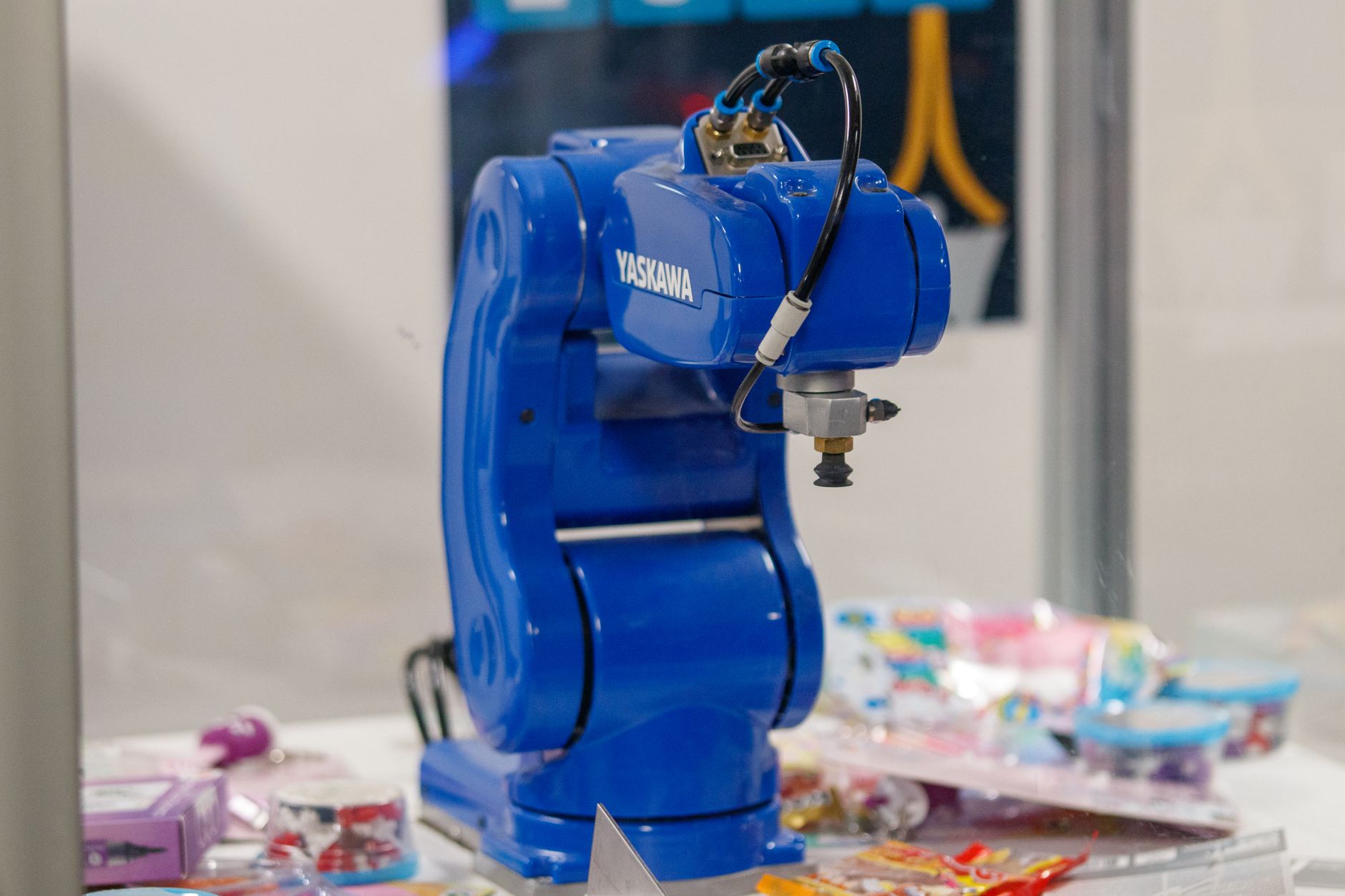

Robotic automation transforms modern manufacturing, warehousing, and operational environments by boosting productivity and shifting humans away from repetitive labor. However, deploying these advanced systems requires a careful evaluation of financial investments, technical demands, and operational limitations.
Adopting robotics involves balancing significant productivity gains against high initial costs and integration challenges. Organizations must weigh both sides to successfully align automation strategies with their long-term business goals.
The Advantages of Robotic Automation
Integrating robots into operational workflows provides distinct performance benefits, particularly in high-volume settings where speed and precision are critical. Unlike human workers, automated systems can maintain peak operation continuously without fatigue.
- Improved Accuracy and Reduced Errors: Robots eliminate manual tracking mistakes, resulting in precise inventory management, fewer picking errors, and higher overall customer satisfaction.
- Enhanced Safety: By taking over dangerous jobs, robotics reduce workplace injuries. This lowers workers' compensation claims and creates a stable workforce in traditionally high-turnover industries.
- Increased Efficiency and Speed: Systems can perform repetitive movements much faster than human workers. For example, Amazon's deployment of Kiva robots drastically reduced the time needed to locate and retrieve items from shelves.
- 24/7 Productivity: Automated machinery operates around the clock, delivering consistent throughput and maintaining predictable quality standards 365 days a year.
The Disadvantages and Challenges of Robotics
Despite their technical capabilities, robotic systems come with distinct operational hurdles. Companies must account for financial barriers and technical constraints before rolling out automation across their facilities.
- High Upfront Investment Costs: Purchasing and integrating robotic systems requires a significant upfront capital investment that can strain operational budgets.
- Maintenance and Unplanned Downtime: Robotic setups require regular upkeep. According to industry surveys, nearly half of companies report experiencing unplanned downtime due to technical issues, which directly impacts productivity.
- Adaptability Limits: Robots struggle significantly with unstructured tasks. Jobs involving irregular shapes, custom assembly, or nuanced decision-making still require human intervention.
- Dependency and Security Risks: Heavy reliance on technology exposes organizations to system failures and delays. Additionally, automated floors face emerging cybersecurity vulnerabilities.
Comparing Robotics: Pros vs. Cons
To help decision-makers evaluate the operational trade-offs, the following matrix outlines the direct comparison between implementing robotic automation and maintaining traditional manual workflows.
| Advantages | Disadvantages |
|---|---|
| Lower long-term operating costs | Significant upfront capital investment |
| Consistent product quality 24/7 | Requires skilled staff for programming and maintenance |
| Higher throughput and productivity | Not cost-effective for low-volume or highly variable tasks |
| Safer working conditions in hazardous environments | Workforce concerns and change management challenges |
Workforce Impact and Integration Realities
The introduction of robotics fundamentally alters the workplace dynamic. While automation removes employees from dull, dirty, and dangerous assignments, it creates an immediate upskilling and training gap. Companies frequently discover that they lack internal personnel with the specialized engineering and programming capabilities needed to maintain advanced machinery.
Furthermore, change management poses a hurdle during large-scale deployments. Successfully integrating automated systems requires careful communication and targeted training programs to address employee concerns and bridge the skills gap, ensuring that human workers transition smoothly into supervisory, maintenance, or higher-level problem-solving roles.
Frequently Asked Questions
What are the primary benefits of robotic automation in industrial settings?
Robotic automation delivers improved accuracy, enhanced worker safety by handling hazardous tasks, and increased efficiency through 24/7 productivity. For example, systems like Amazon's Kiva robots have significantly sped up item retrieval times.
What are the main disadvantages of implementing robotics?
Key drawbacks include high upfront capital investment, the need for skilled staff for programming and maintenance, and challenges with unstructured tasks that require human adaptability. Additionally, reliance on tech creates vulnerabilities to system failures and cybersecurity risks.
How does robotics impact the workforce?
Robotics changes the nature of work by shifting humans away from repetitive manual tasks and hazardous environments. While this reduces injury rates and turnover, it also introduces workforce concerns, change management challenges, and an upskilling demand for technical training.
References & Sources
- Choosing the Right Warehousing Solution: The Pros and Cons of Robotic Automation | Mariner Logistics
- Advantages and disadvantages of robot automation in 2026: A balanced guide - Standard Bots
- Advantages and Disadvantages of Robotic Automation | Granta Automation
- 5 Pros of Being a Robotics Engineer (With Salary) | Indeed.com
- The Pros and Cons of Apprenticeship | Indeed.com
Editorial Note: This article was researched via verified live web sources and published on 2026-10-06. Questions or feedback? Contact the editorial staff at TrendsInNews.
Photo credit: Freek Wolsink / Pexels