
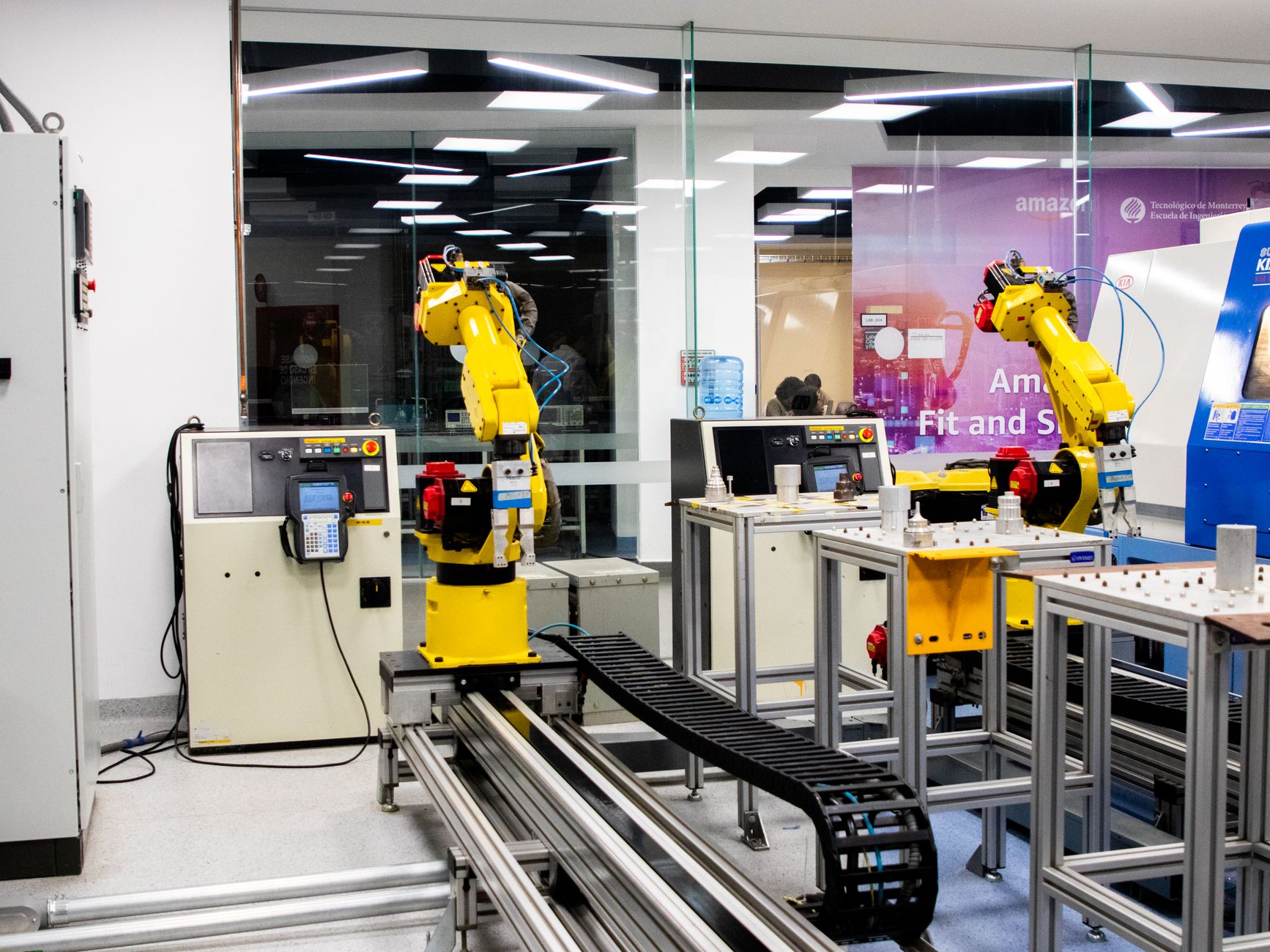

Robotic automation transforms manual processes into automated workflows across manufacturing and warehousing environments, becoming a standard practice for operational scaling. Understanding both the operational advantages and the strategic hurdles is critical for businesses evaluating a transition.
Implementing robotic solutions requires a careful assessment of business needs, financial constraints, and long-term goals. While modern systems like collaborative robots (cobots) have expanded accessibility, organizations must balance continuous productivity against heavy initial investments and integration complexities.
The Advantages of Robotic Automation
The core drivers for adopting robotics in industrial and warehousing settings center on throughput, consistency, and resource optimization. Because robots do not require breaks, shift changes, or rest periods, they achieve maximum productivity and continuous 24/7 operation.
Quality control improves drastically through automation. Robots are not error-prone like humans; their precision ensures all parts are uniform and completed accurately, resulting in high product quality and fewer picking or assembly errors. In warehousing, this translates to more accurate inventory management and higher customer satisfaction.
Safety is another major benefit. Robots can handle dangerous tasks, reducing the risk of injury to human workers, fostering a safer working environment, and lowering costs related to workplace accidents. Furthermore, industrial robots possess long lifespans, allowing them to remain in operation for decades while automating multiple projects over their lifetime.
Ultimately, these efficiencies expand profit potential. By reducing resources, lowering cycle times, and cutting costs per product, robotic automation drives greater profitability.
The Disadvantages and Hidden Risks
Despite clear operational benefits, automation introduces several notable challenges and hidden costs that organizations must actively manage.
The most immediate hurdle is financial. High upfront capital costs and integration complexity can strain budgets, requiring significant investments in programming, safety infrastructure, and specialized installation. Traditional industrial robots are often built for speed and high payloads, requiring physical safety barriers or fully fenced cells that add to the installation complexity.
Maintenance and reliability present ongoing concerns. Robotic systems require regular maintenance and remain vulnerable to unexpected disruptions. A survey by Deloitte revealed that 47% of companies reported unplanned downtime in their automated systems, directly affecting operational efficiency and productivity.
Heavy reliance on technology also creates operational vulnerabilities:
- Dependency on Technology: System disruptions can cause significant delays and operational bottlenecks.
- Training Demands: Businesses face a distinct need for skilled staff to program, troubleshoot, and maintain advanced systems.
- Cybersecurity Risks: Connected automated environments face heightened exposure to digital vulnerabilities.
- Workforce Impact: Transitioning manual tasks introduces workforce concerns and the potential for job displacement, though large-scale deployments show a nuanced picture regarding total job counts.
Comparing Traditional Industrial Robots and Cobots
When designing an automated workflow, operations managers generally choose between traditional industrial robots and collaborative robots, depending on payload requirements, variability, and safety parameters.
| Feature | Traditional Industrial Robots | Collaborative Robots (Cobots) |
|---|---|---|
| Deployment Environment | Isolated behind safety barriers or fenced cells | Designed to work closely alongside human operators |
| Flexibility & Programming | Complex programming; best for high-volume, low-variation tasks | Visual programming (e.g., drag-and-drop); ideal for high-mix workflows |
| Primary Use Case | Welding, stamping, painting, and high-speed payloads | Small-batch manufacturing, assembly, and flexible picking |
While traditional robots deliver unmatched speed and power for repetitive high-volume tasks, cobots make automation accessible for lower volumes and variable product mixes. Newer models feature visual programming interfaces that allow operators to make adjustments without complex code, bridging the gap between rigid automation and dynamic human workflows.
Navigating the pros and cons of robotics requires aligning technology with specific organizational goals. By carefully weighing the capital expenditure and maintenance demands against long-term productivity and safety gains, businesses can successfully integrate automation into their operational strategies.
Frequently Asked Questions
What are the main advantages of robotic automation?
The main advantages are lower long-term operating costs, more consistent product quality, higher throughput, and the ability to work safely in hazardous environments where human exposure would be harmful.
What are the primary disadvantages of robotic automation?
The primary disadvantages include high upfront capital costs, the need for skilled staff to program and maintain systems, vulnerability to technology failures, and workforce concerns regarding job displacement.
How does automation impact overall job numbers?
While automation reduces the number of people performing purely repetitive manual tasks, its overall impact on net job numbers is nuanced, often shifting labor requirements rather than purely eliminating positions.
References & Sources
- Pros and Cons of Robotic Automation
- Choosing the Right Warehousing Solution: The Pros and Cons of Robotic Automation | Mariner Logistics
- Advantages and disadvantages of robot automation in 2026: A balanced guide - Standard Bots
- Advantages and Disadvantages of Robotic Automation | Granta Automation
- Pros and cons of robotics in manufacturing | Wipfli
Editorial Note: This article was researched via verified live web sources and published on 2026-10-11. Questions or feedback? Contact the editorial staff at TrendsInNews.
Photo credit: Ludovic Delot / Pexels