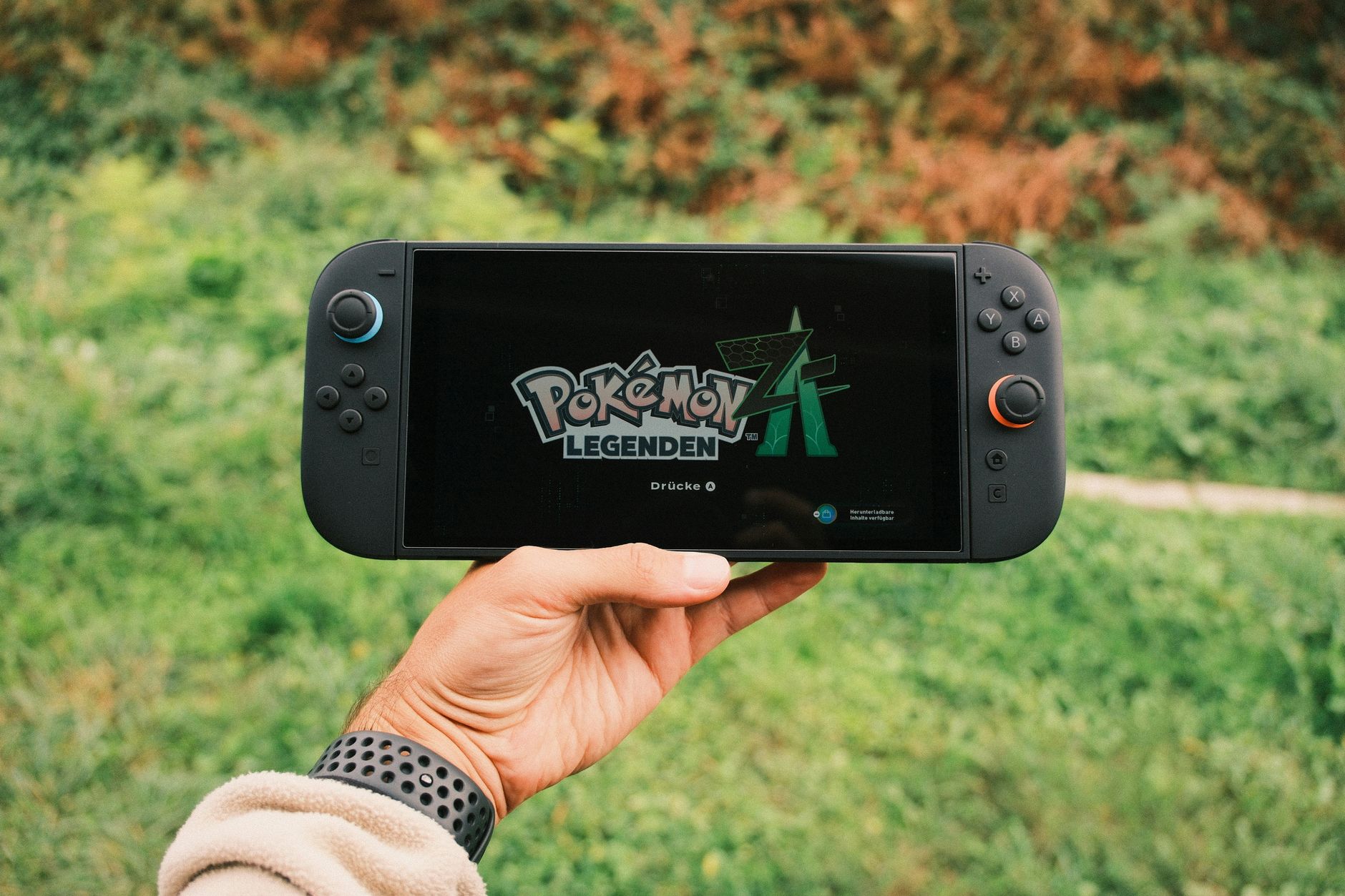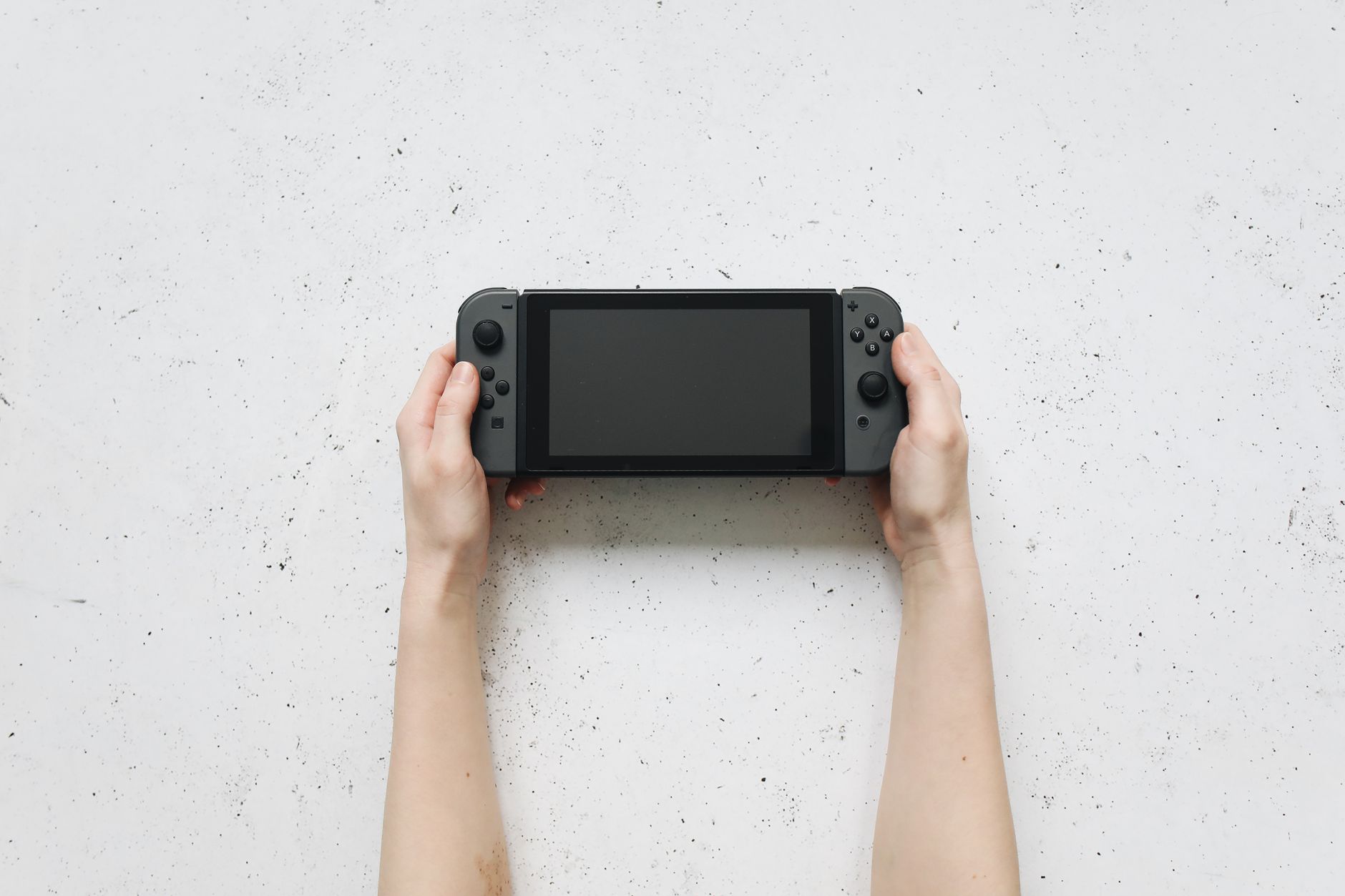
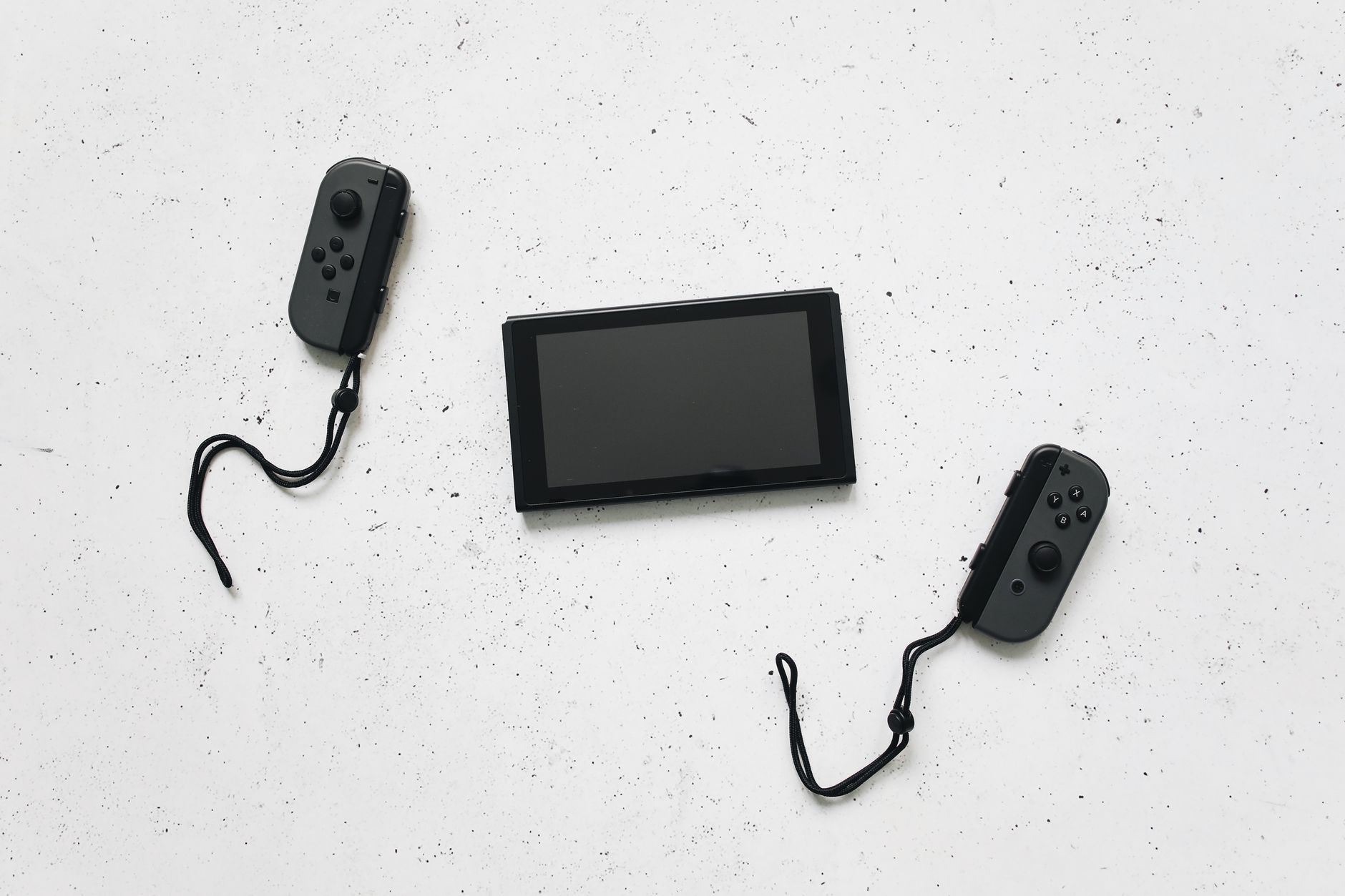

The Nintendo Switch 2 delivers nearly ten times the performance of the original generation, featuring a larger 7.9-inch 1080p LCD screen, but the older Switch OLED still wins on pure black levels and color punch. Deciding between the two depends heavily on whether you prioritize raw performance and clarity or deep contrast and budget value.
Display Technology: LCD Motion vs. OLED Contrast
The most debated aspect of the Switch 2 hardware is its screen choice. Nintendo equipped the Switch 2 with a larger 7.9-inch 1080p LCD screen with HDR10 support and a 120Hz refresh rate with VRR. This setup delivers smoother animations, improved peak brightness, and zero screen tearing when supported by games.
However, users moving from a Switch OLED will notice a visual compromise. The Switch OLED panel features self-emitting pixels that turn completely off to show true black, generating virtually infinite contrast and deeper color punch. Side-by-side testing reveals that while the Switch 2 LCD holds its own through enhanced clarity and motion handling, the Switch OLED still wins on black levels.
Physical dimensions also change between the two generations. The Switch OLED measures 9.5 x 4 x 0.55~1.12 inches with Joy-Cons attached and weighs 0.93 pounds. The Switch 2 is larger and heavier, measuring 10.7 x 4.5 x 0.55~1.2 inches and weighing 1.18 pounds with Joy-Con 2 controllers attached, creating a heavier footprint to hold during prolonged handheld sessions.
Performance and Technical Specifications
Under the hood, the generational gap is massive. Developed alongside Nvidia, the custom chip inside the Switch 2 makes the console nearly ten times more powerful than the original Nintendo Switch generation. This processing leap allows the system to handle demanding modern titles—such as Cyberpunk 2077—smoothly, opening doors for games previously deemed impossible on handheld hardware.
Furthermore, small interface details and tiny text are much easier to decipher on the Switch 2 thanks to the combination of the larger 7.9-inch footprint and crisp 1080p resolution. For players investing in newer software ecosystems, the Switch 2 provides the necessary hardware headroom, proper performance, and backwards compatibility to ensure your existing library runs seamlessly.
| Feature | Nintendo Switch OLED | Nintendo Switch 2 |
|---|---|---|
| Price | $350 | $450 |
| Display Type | OLED | 7.9-inch LCD with HDR10 |
| Resolution & Refresh | 720p (Handheld) / 60Hz | 1080p (Handheld) / 120Hz with VRR |
| Weight (with Joy-Cons) | 0.93 pounds | 1.18 pounds |
| Performance Level | Base Switch generation | Nearly 10x more powerful than original |
Pricing and Value: Is the Upgrade Worth It?
The financial aspect plays a critical role in this hardware decision. The Switch 2 costs $450, representing a $100 price increase over the Switch OLED and sitting $150 above the standard baseline model. At $450, the Switch 2 matches the price point of home consoles like the PlayStation 5 and Xbox Series X, while landing $100 higher than the cheapest configuration of the Steam Deck.
If you do not yet own any Nintendo hardware, the Switch 2 is the obvious answer for first-time buyers due to its upgraded internals, larger library, and modern performance standards—unless budget constraints are a firm concern. Conversely, if you currently own a Switch OLED, the decision requires more thought. The Switch 2 display is a technical step backward from the OLED panel, and battery life on paper matches that trend. Because blockbuster software releases remain cross-generation compatible, current OLED owners can comfortably wait unless raw performance is an immediate priority.
Frequently Asked Questions
Is the Nintendo Switch 2 backwards compatible with original Switch games?
Yes, the Nintendo Switch 2 features proper backwards compatibility, ensuring you can play your existing library on the new hardware.
How much does the Nintendo Switch 2 cost compared to the OLED model?
The Nintendo Switch 2 is priced at $450, which is $100 more expensive than the Switch OLED model, sitting at $350.
Does the Switch 2 use an OLED screen?
No, the Switch 2 moves to a larger 7.9-inch 1080p LCD screen with HDR10 and a 120Hz refresh rate with VRR, whereas the Switch OLED features an OLED panel with superior black levels.
References & Sources
- Nintendo Switch 2 Review: Still the Ultimate Hybrid Console
- I used the Switch 2 and Switch OLED side by side for a week — here’s what surprised me | Laptop Mag
- Nintendo Switch 2 Review - Business Insider
- Nintendo Switch 2 Review - Business Insider
- Switch 2 vs Switch OLED: Should You Actually Upgrade? – Procase
Editorial Note: This article was researched via verified live web sources and published on 2026-10-05. Questions or feedback? Contact the editorial staff at TrendsInNews.
Photo credit: Polina Tankilevitch / Pexels