
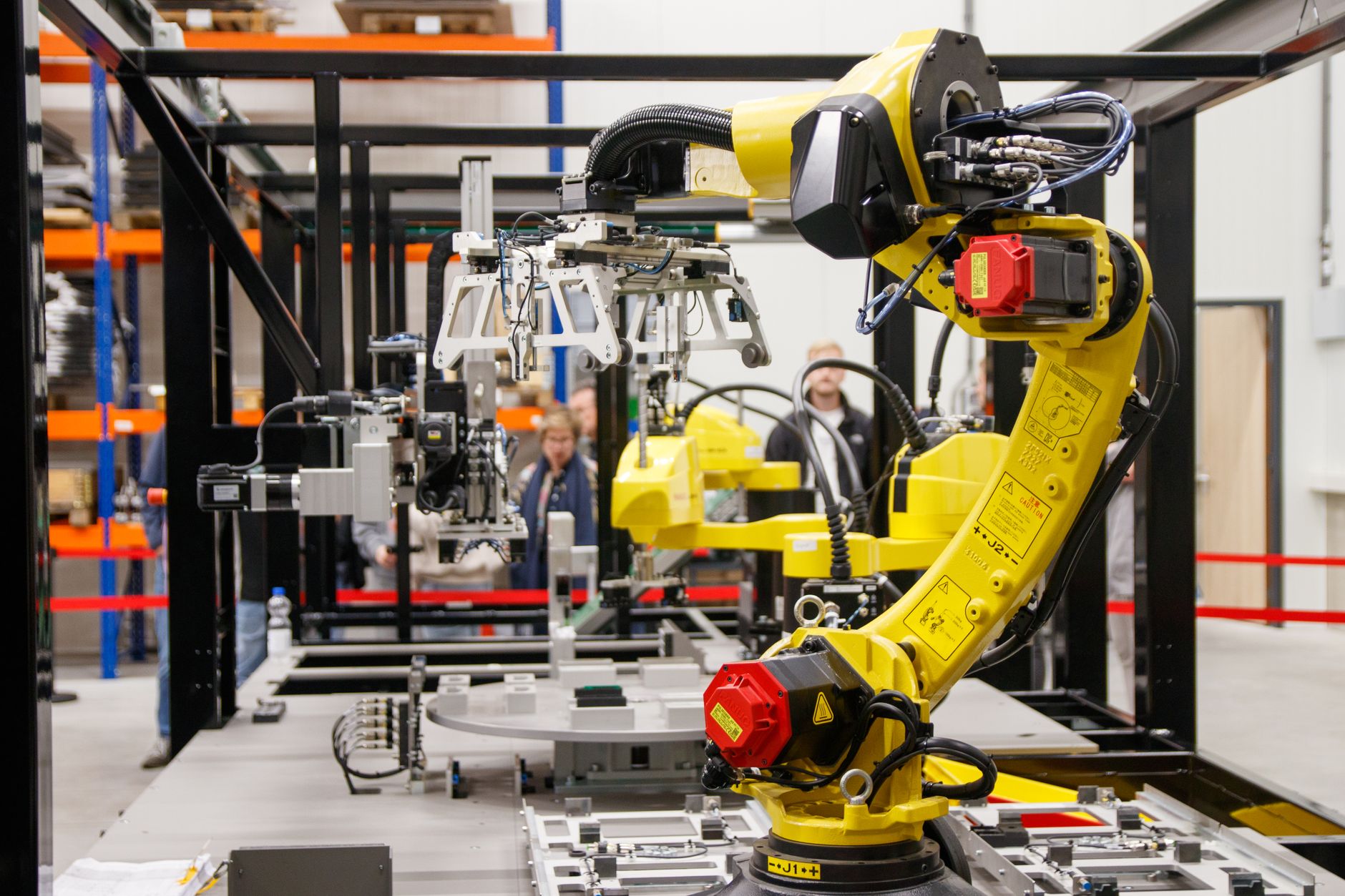

Robotic Process Automation (RPA) is a highly promising career path due to its rapid expansion and heavy demand across diverse sectors like finance, HR, logistics, and healthcare. Professionals in this field design, develop, and deploy software bots to streamline repetitive tasks, helping organizations optimize their overall operational efficiency.
Understanding the Role of an RPA Professional
At its core, Robotic Process Automation (RPA) involves utilizing software bots that interact with enterprise applications and systems just like a human operator would. Organizations implement these technologies to eliminate manual data entry, boost data accuracy, and ensure strict compliance with internal and regulatory business processes.
Professionals within this domain perform several critical day-to-day functions. They analyze existing workflows to identify tasks that can be successfully automated, design robust automation architectures, and test software routines to guarantee reliable performance. Because these solutions bridge business and technology operations, collaboration with IT teams and business analysts is vital.
Essential Career Opportunities and Specializations
The job market features multiple specialized roles tailored to different skill sets and levels of experience:
- RPA Developer: Focuses heavily on building, testing, and deploying end-to-end automation workflows using major enterprise software suites.
- Process Improvement Specialist: Analyzes workflows to pinpoint operational bottlenecks and optimize business operations before automation takes place.
- Automation Architect & Process Designer: Translates complex customer requirements into scalable automation strategies while assessing risk parameters.
- Production Manager: Ensures that deployed bots continue to achieve targeted business outcomes once they go live.
Required Technical and Soft Skills
Building a successful career in this sector requires a balanced combination of engineering logic and interpersonal abilities. Technical proficiency in programming languages, databases, and APIs forms the foundation of any development role.
| Skill Category | Key Competencies | Business Impact |
|---|---|---|
| Technical Tools | UiPath, Automation Anywhere, Blue Prism, Microsoft Power Automate, Appian, WorkFusion | Enables rapid, scalable creation of functional software bots. |
| Analytical Skills | Workflow breakdown, risk assessment, problem-solving | Ensures that only the correct processes are selected and optimized for automation. |
| Soft Skills | Cross-functional teamwork, stakeholder communication, adaptability | Aligns technical development teams directly with strategic business objectives. |
Ultimately, pursuing a path in automation offers strong growth potential for technical professionals, software architects, and analytical problem-solvers who want to shape the future of enterprise digital transformation.
Frequently Asked Questions
What is Robotic Process Automation?
Robotic Process Automation (RPA) is a technology that uses software robots, or bots, to automate repetitive, rule-based digital tasks by mimicking human interactions with applications and systems.
What qualifications or skills do I need to become an RPA Developer?
You need strong analytical thinking, problem-solving skills, programming knowledge, and hands-on experience with industry-standard RPA tools like UiPath, Automation Anywhere, or Blue Prism.
What are the primary job roles available in the RPA field?
Common career paths include RPA Developer, Process Improvement Specialist, Process Designer, Automation Architect, and Production Manager.
References & Sources
- Robotic Process Automation Career Guide
- Career Opportunities in Robotic Process Automation (RPA) - MindxMaster
- 7 Skills Needed for a Career in Robotic Process Automation (RPA) - Alexander Daniels Global
- Robotic Process Automation Career Scope - LearnoVita
- What is Robotic Process automation (RPA), and how can it benefit my career? - Quora
Editorial Note: This article was researched via verified live web sources and published on 2026-11-18. Questions or feedback? Contact the editorial staff at TrendsInNews.
Photo credit: Freek Wolsink / Pexels