
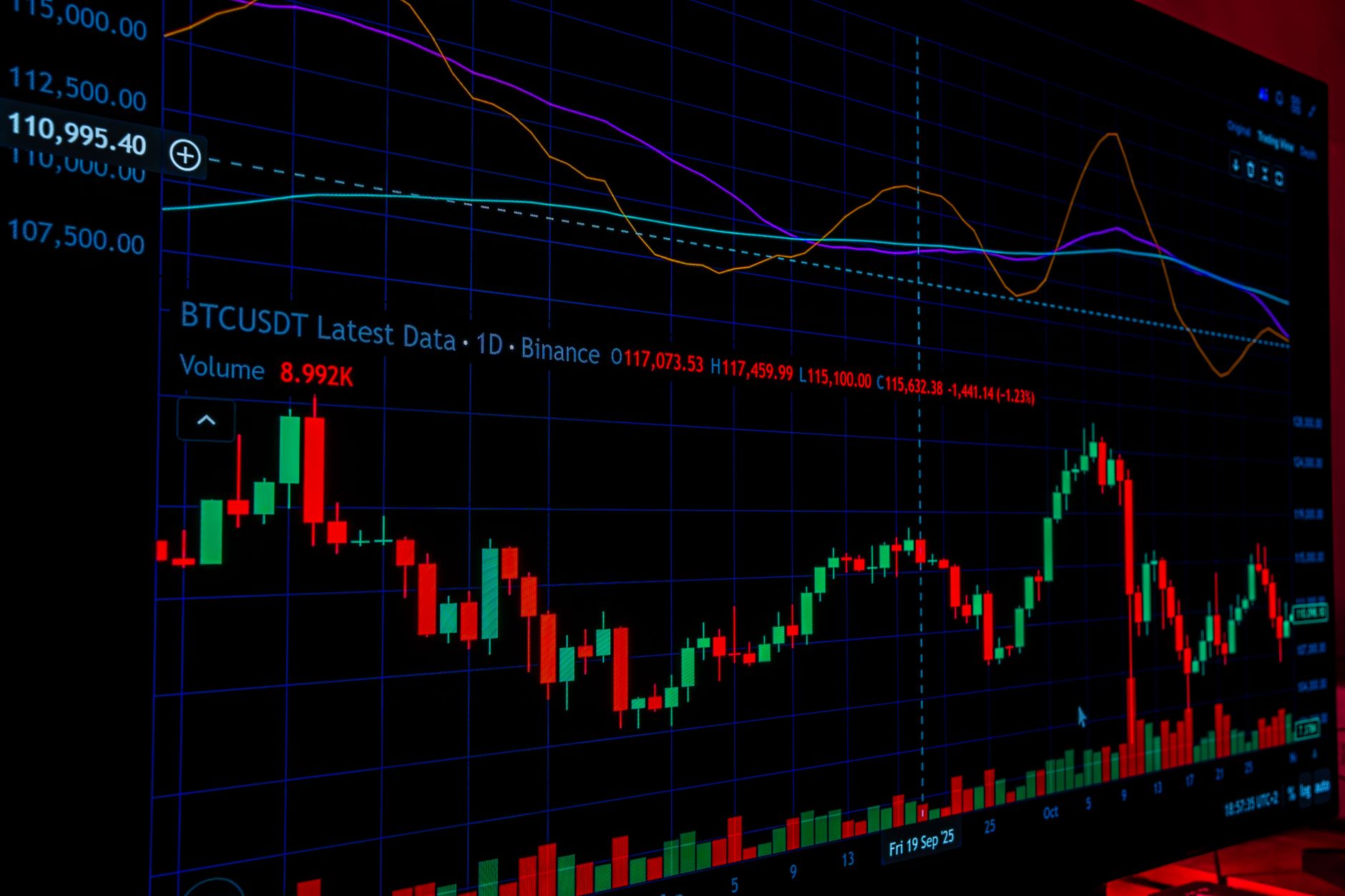

A Bitcoin ETF flow represents the net dollar value of shares created or redeemed across US spot Bitcoin Exchange-Traded Funds during a single trading session. These metrics serve as the cleanest daily census of institutional demand moving through traditional brokerage rails.
Understanding Creations, Redemptions, and the Daily Census
Twelve US spot Bitcoin funds report into an aggregate figure that forms the baseline for tracking institutional capital. When market participants buy or sell shares of these funds through standard brokerage accounts, authorized participants manage the mechanics of share creation and redemption.
When an ETF experiences net inflows, creations have occurred. This means the fund issued new shares and acquired physical Bitcoin to back them, directly increasing the fund's underlying Bitcoin holdings. Conversely, net outflows indicate redemptions, where shares were destroyed and underlying Bitcoin was sold. Weekends result in zero flow, and market holidays appear as flat activity in the aggregate data.
This data provides transparency into regulated capital allocation, allowing analysts to watch how institutional investors navigate risk exposure to digital assets without needing to handle private keys or manage digital wallets directly.
Why ETF Flows Are Not Short-Term Trading Signals
A common misconception among retail market participants is that daily ETF flow data can be used to execute precise short-term trades. In practice, fund issuers report their holdings after the US trading session concludes, and data aggregators like SoSoValue publish the total numbers only after the market closes.
Because of this reporting lag, significant inflow data often reaches investors long after Bitcoin's spot price has already shifted. For example, historical market sessions have shown Bitcoin jumping significantly over the course of a day, moving thousands of dollars upward before the official ETF inflow figures were tallied and published after hours.
While substantial flow changes indicate broad shifts in market sentiment, using them as a standalone entry or exit indicator for individual trading plans is inefficient. Instead, analysts combine ETF data with other metrics, such as Bitcoin spot price movements, BTC funding rates, and open interest in crypto derivatives markets, to evaluate broader trend formation.
| Metric Attribute | Spot Bitcoin ETF Flows | Derivatives Market Indicators |
|---|---|---|
| Primary Focus | Institutional and regulated capital allocations | Leverage, speculative interest, and positioning |
| Data Reporting | End-of-day aggregate reports from fund issuers | Real-time tracking of funding rates and open interest |
| Ideal Application | Gauging medium- to long-term capital trends | Assessing short-term market leverage and liquidation risk |
The Reality of Hedged Capital and Basis Trades
A critical nuance in analyzing Bitcoin ETF flows is that not all inflows reflect directional bullish conviction. Market analysts have discovered that a meaningful share of inflow volume is heavily hedged through institutional arbitrage strategies.
Through the cash-and-carry trade or basis trade, an institution buys spot ETF shares while simultaneously shorting CME Bitcoin futures to capture the futures premium. Because this position is delta neutral, it carries no directional view on where the price of Bitcoin is going. However, it still registers in the official data as an inflow, making it indistinguishable from organic buying pressure.
Recognizing this dynamic prevents misinterpretations of daily numbers. When tracking these metrics, market participants should view sustained net inflows or sustained net outflows as indicators of broad risk appetite and structural capital rotation rather than immediate guarantees of spot price direction.
Frequently Asked Questions
What is a Bitcoin ETF flow?
A Bitcoin ETF flow measures the net dollar value of shares created or redeemed across US spot Bitcoin ETFs in a single trading session. Positive net flows indicate new shares and underlying Bitcoin purchases, while negative flows signal redemptions and selling.
Can I use Bitcoin ETF flows to time my market entries?
No, ETF flows are poorly suited for short-term trading signals because data is typically reported after the US trading day concludes. By the time inflow data is published, asset prices may have already moved significantly.
Do all ETF inflows represent directional bullish buying?
Not necessarily, because a meaningful portion of inflows are hedged. Strategies like the cash-and-carry or basis trade involve buying ETF shares while simultaneously shorting CME Bitcoin futures, which registers as an inflow without directional price conviction.
References & Sources
- Bitcoin ETF Flows Today: Net Inflows and Outflows | Simple Mining
- Should You Track Bitcoin ETF Flows to Time Your Purchases?
- Bitcoin ETF Fund Flows | Spot BTC Net Inflow & Holdings | CoinGlass
- ETF Flow Divergence: Bitcoin, Ethereum, Solana vs. | FereAI
- Bitcoin ETF Flows Just Flipped [Get Ready]
Editorial Note: This article was researched via verified live web sources and published on 2026-10-28. Questions or feedback? Contact the editorial staff at TrendsInNews.
Photo credit: Rafael Minguet Delgado / Pexels