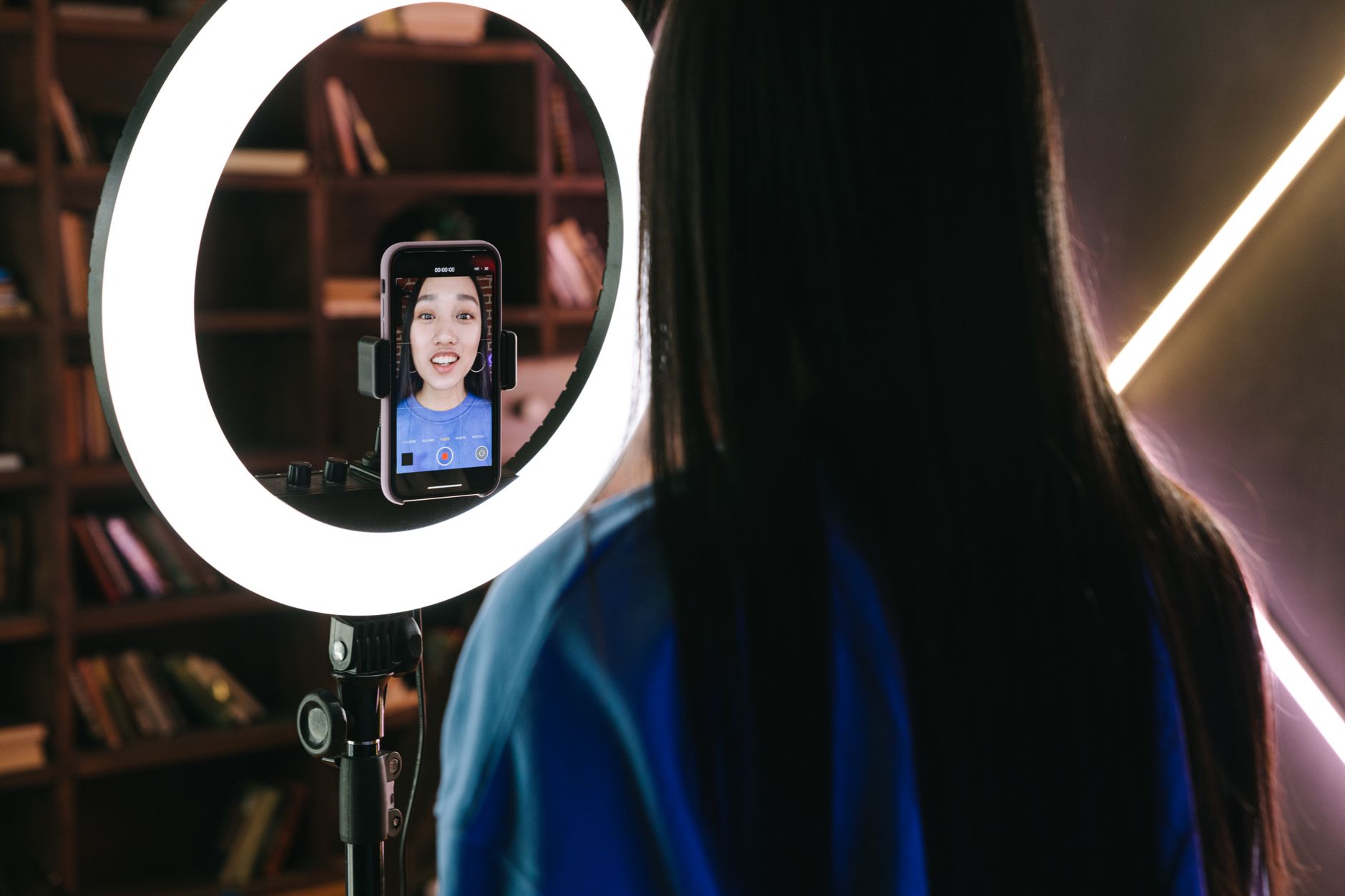


While industry experts and data points indicate that TikTok is widely considered to have the strongest algorithm for discovery via its For You Page, defining the "best" recommendation system depends heavily on your specific goals. Different platforms utilize distinct architectures to rank content, curate feeds, and expand organic reach.
Understanding Modern Social Media Algorithms
At their core, recommendation systems—also known as feed algorithms or ranking systems—operate through a multi-step process. First, the system gathers eligible content from across the platform. Next, it scores that content against a set of ranking signals designed to predict how much value each post will deliver to a specific user. Finally, it orders the results to populate the user's feed.
However, platforms must balance personalization with diversity. If an algorithm relies too heavily on past interactions with a single poster, the feed becomes monotonous. Modern systems intentionally diversify content to account for the platform's uncertainty regarding what a user wants to see at any given second.
Platform Breakdown: How Major Networks Rank Content
Different networks target entirely different user behaviors, shaping how their respective algorithms evaluate and distribute content.
TikTok and the For You Page
For sheer organic discovery, TikTok stands out as the industry benchmark. Its For You Page algorithm rapidly learns user preferences, allowing fresh accounts to reach wide audiences if their content matches high-intent engagement signals. Creators often optimize their approach by focusing on immediate hooks, strong retention curves, and share triggers.
LinkedIn and Unified Embeddings
LinkedIn operates differently than pure entertainment networks. The platform utilizes a unified embedding architecture to predict the quality and depth of a post prior to broad distribution. High-value professional content that generates early dwell time and authentic, multi-sentence comments within the first 60 minutes receives the strongest algorithmic push. While it maintains a strong baseline distribution for 1st-degree connections, modern updates heavily weigh dwell time and comment velocity.
X (Formerly Twitter) and Real-Time Curation
The X algorithm is fully AI-powered and curates content based on interests, preferences, and past interactions rather than chronological order. To build a relevant experience, the system scans approximately 500 million daily posts, filtering the firehose to surface the most pertinent discussions for each individual user.
Facebook and Meaningful Social Interactions
Facebook's news feed optimization centers on what Meta defines as Meaningful Social Interactions (MSI). The system prioritizes comments, reactions, and shares between friends, family members, and trusted community groups over broad media and brand content, resulting in a persistent decline for traditional organic page reach.
Comparing Core Algorithmic Ranking Signals
| Platform | Primary Ranking Focus | Key Algorithmic Signal |
|---|---|---|
| TikTok | Discovery and Entertainment | Retention curves, loop mechanics, and shares |
| Professional Depth | Early dwell time and multi-sentence comments | |
| X | Real-Time Relevance | Interest matching and past interaction history |
| Personal Connection | Meaningful Social Interactions (MSIs) between peers |
The Shift Toward Intent and Dwell Time
Across nearly all modern networks, passive consumption metrics like simple views have taken a backseat to intent signals. Platforms now closely track saves, shares, and dwell time to measure whether a piece of content genuinely resonates. For creators and brands, aligning content strategies with these specific ranking signals remains the most effective path to expanding organic reach without relying on paid promotional spend.
Frequently Asked Questions
Which social media platform is considered to have the best algorithm for discovery?
TikTok is widely considered to have the strongest algorithm for discovery via its For You Page. Its recommendation system excels at surfacing niche and relevant content based on user interactions.
How do social media algorithms function behind the scenes?
Recommendation systems gather eligible content, score it against specific ranking signals, and predict the value each post will deliver to a user. The system then orders the results to create a personalized feed.
What makes the LinkedIn algorithm unique compared to other platforms?
LinkedIn uses a unified embedding architecture to predict the quality and depth of a post before distributing it. It heavily weights 1st-degree connections while also factoring in dwell time and authentic comment velocity.
References & Sources
- Master Social Media Algorithms: The Ultimate Guide | Sprout Social
- Social media algorithms in 2026: How they rank content
- Understanding Social Media Recommendation Algorithms | Knight First Amendment Institute
- Which social media platform has the best algorithm for ...
- How Social Media Algorithms Work in 2026: Full Guide
Editorial Note: This article was researched via verified live web sources and published on 2026-10-21. Questions or feedback? Contact the editorial staff at TrendsInNews.
Photo credit: JÉSHOOTS / Pexels