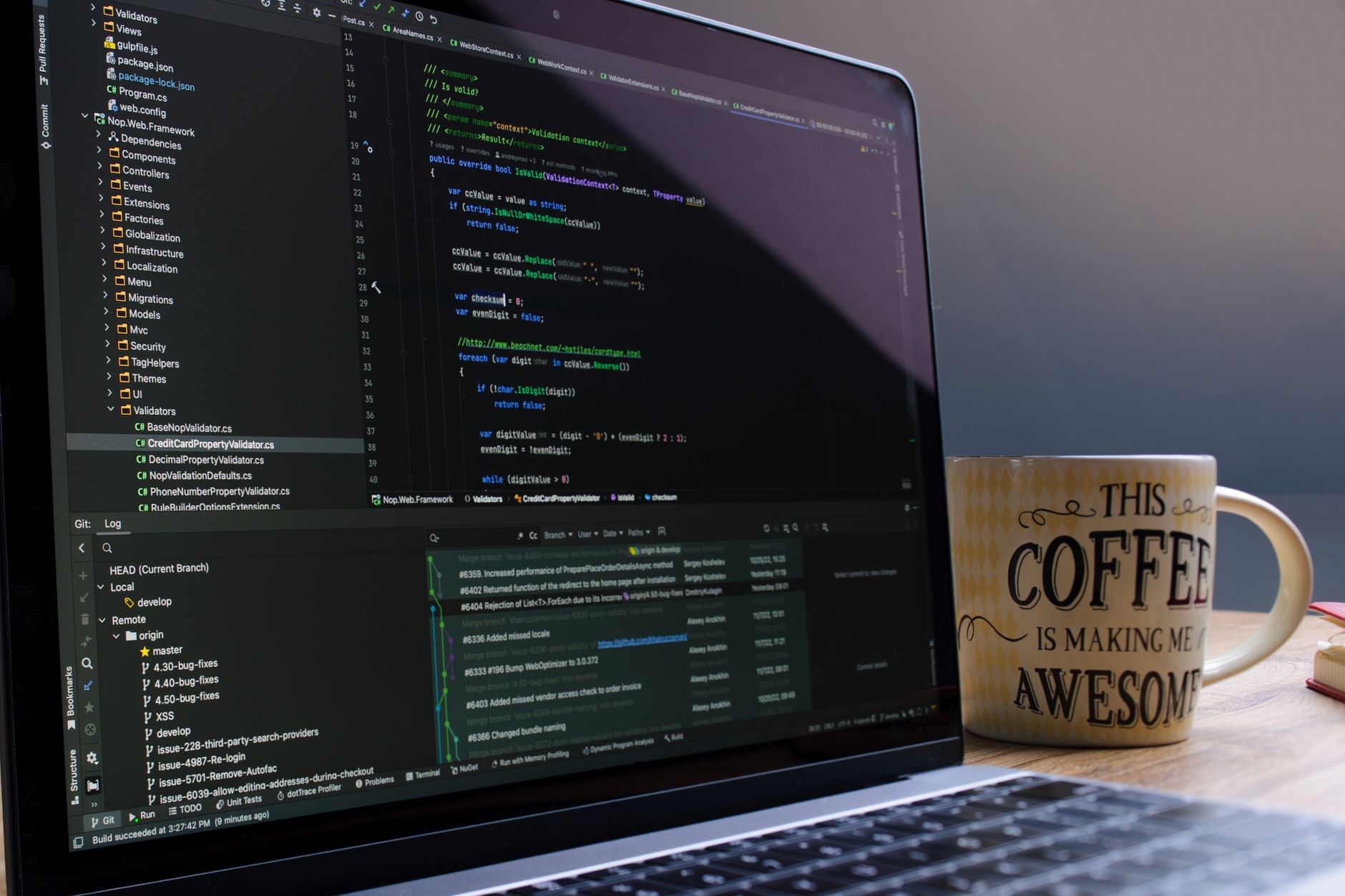

AI coding assistants are software solutions that leverage large language models to automate and streamline software engineering tasks such as code generation, code review, and refactoring. They integrate directly into development environments to provide real-time code suggestions, completions, and generation.
Understanding AI Coding Assistants and Core Capabilities
Unlike standalone large language models that require manual copy-pasting, AI coding assistants encompass built-in tools and integrations designed specifically for sophisticated programming workflows. When a developer interacts with an assistant, the tool analyzes the surrounding coding context—including variables, functions, and libraries—to predict subsequent lines of code and offer context-aware solutions.
Built-in retrieval pipelines provide context awareness natively, preventing the need to dump an entire codebase into an input prompt. Furthermore, architectures leveraging the Model Context Protocol (MCP) enable usage patterns ranging from vibe coding—driven entirely by natural language prompts and model outputs with minimal direct code engagement—to deliberate, strategic agentic coding.
Market Landscape and Popular Solutions
The marketplace features diverse tools tailored to different engineering needs, ranging from fast line completions to autonomous multi-file editing. Leading solutions include GitHub Copilot, Amazon Q Developer, and Google Gemini Code Assist, which integrate deeply with popular integrated development environments to offer real-time assistance.
Agent-like assistants combine traditional helper workflows with autonomous features to manage structured tasks across multiple files. Prominent examples of these advanced environments include Cursor, Replit AI, Qodo, and GitHub Copilot operating in Agent Mode. Meanwhile, commercial solutions like Tabnine focus on fast, predictable completions with deployment options covering cloud, local, and air-gapped environments.
| Assistant / Platform | Primary Focus | Deployment Options |
|---|---|---|
| GitHub Copilot | General code generation, business and enterprise workflows | Cloud, IDE Integration |
| Tabnine | Fast completions, predictable syntax, enterprise security | Cloud, Local, Air-gapped (Enterprise Context Engine) |
| Cursor & Replit AI | Agentic workflows, multi-file editing, guided edits | IDE Integration |
| Amazon Q & Gemini Code Assist | Cloud-native ecosystem support, refactoring, generation | Cloud IDE Extensions |
Balancing Productivity Gains and Verification
Adopting generative AI code assistants delivers immediate organizational advantages by automating tedious tasks, debugging code, and drastically accelerating output. Enterprises increasingly implement these solutions to lower human error and reduce overall development costs. Industry projections underline this shift, with Gartner anticipating that 90% of enterprise engineers will use AI code assistants.
However, this velocity introduces new engineering challenges. Because AI assistants generate code significantly faster than development teams can manually verify it, a clear gap emerges in enterprise adoption strategies. Successful implementations require a complementary quality and security analysis layer to thoroughly validate AI-generated output before deployment, ensuring that architectural integrity matches speed.
Frequently Asked Questions
What are AI coding assistants?
AI coding assistants are software tools wrapped around large language models that integrate directly into development environments. They automate tasks like real-time code completions, code reviews, generation, and refactoring.
How popular are AI coding tools among developers?
Adoption has surged rapidly, with the 2024 Stack Overflow Developer Survey revealing that 76% of respondents already use or plan to use AI tools in their development process, and 62% actively using them that year.
Do AI coding assistants replace the need for code quality checks?
No, output validation remains essential. Because AI tools generate code faster than teams can verify it, organizations require a complementary quality and security analysis layer to ensure production safety.
References & Sources
- What Are AI Coding Assistants? | IBM
- What are AI Coding Assistants in Software Development? | Sonar
- Generative AI Coding Assistants Market to Reach Valuation of USD 138.36 Million by 2032, With a CAGR of 25.4%| Polaris Market Research
- The Best AI Coding Assistants: 20 Tools Reviewed for 2026
- 8 Best AI Coding Assistants by Job [Updated August 2026]
Editorial Note: This article was researched via verified live web sources and published on 2026-10-27. Questions or feedback? Contact the editorial staff at TrendsInNews.
Photo credit: Daniil Komov / Pexels